
การประชุมกลุ่มย่อยภายใต้โครงการพัฒนาระบบติดตามประเมินผลการส่งเสริมการผลิตและการบริโภคที่ยั่งยืนของประเทศไทย ระยะที่ 3 ตัวชี้วัดที่ 12.4.1 (Focus Group)
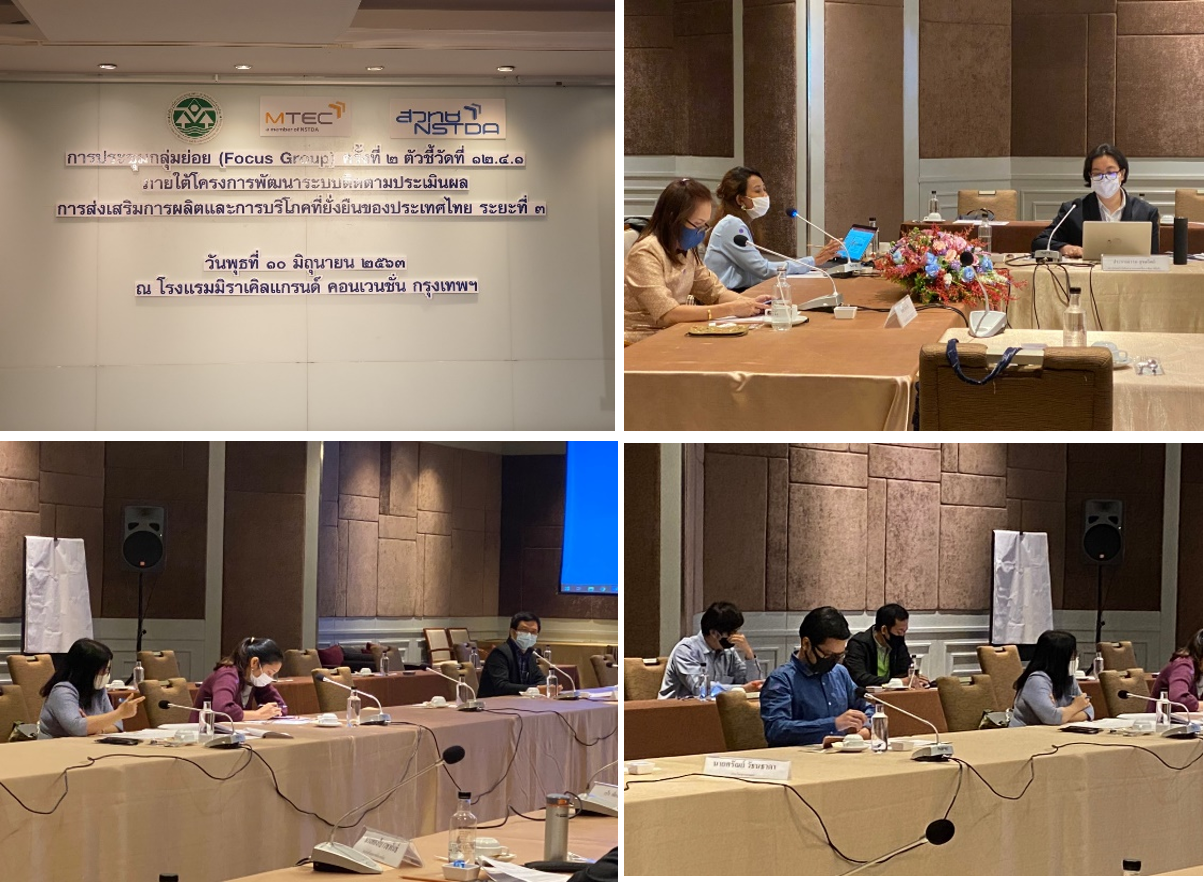
การจัดประชุมกลุ่มย่อย (Focus group) ตัวชี้วัดที่ 12.4.1 จำนวนภาคีสมาชิกข้อตกลงพหุภาคีด้านสารเคมีที่เป็นอันตรายและสารเคมีอื่น ๆ ที่บรรลุวัตถุประสงค์ของพันธกรณีและข้อผูกพันในการถ่ายทอดข้อมูลตามที่กำหนดไว้ในแต่ละข้อตกลงที่เกี่ยวข้อง
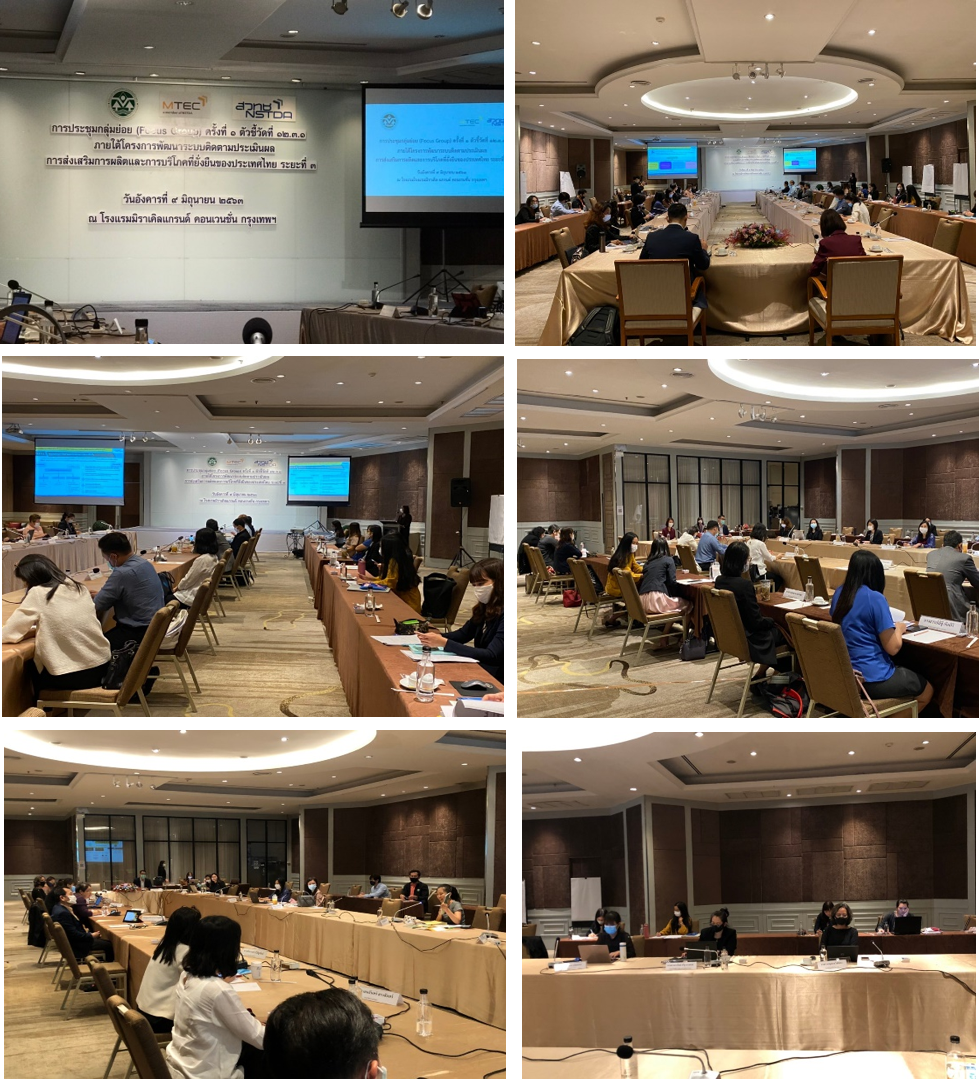

การประชุมกลุ่มย่อยภายใต้โครงการพัฒนาระบบติดตามประเมินผลการส่งเสริมการผลิตและการบริโภคที่ยั่งยืนของประเทศไทย ระยะที่ 3 ตัวชี้วัดที่ 12.3.1 (Focus Group)

การจัดประชุมกลุ่มย่อย (Focus Group) ตัวชี้วัดที่ 12.3.1.a ดัชนีการสูญเสียอาหาร (Food Loss Index) และตัวชี้วัดที่ 12.3.1.b ดัชนีการสูญเสียขยะอาหาร (Food Waste Index) จัดขึ้นในวันที่ 9 มิถุนายน พ.ศ. 2563 เวลา 08.30-16.30 น. ณ โรงแรมมิราเคิล แกรนด์ คอนเวนชั่น

โดยมีวัตถุประสงค์เพื่อจัดทำระบบฐานข้อมูลการส่งเสริมการผลิตและการบริโภคที่ยั่งยืนที่สอดคล้องกับตัวชี้วัดที่ 12.3.1.a และ 12.3.1.b และศึกษาวิเคราะห์แนวทางและปัญหาอุปสรรคในการรวบรวมข้อมูลจากหน่วยงานเจ้าของข้อมูลเพื่อใช้ในการรายงานเป้าประสงค์ที่ 12.3 ตัวชี้วัดที่ 12.3.1.a และ 12.3.1.b
ที่เหมาะสมกับประเทศ

The potential of industrial waste: using foundry sand with fly ash and electric arc furnace slag for geopolymer brick production

The purpose of this study was to investigate the best ratio of waste foundry sand (WFS), fly ash (FA), and electric arc furnace slag (EAF slag) for the production of geopolymer bricks. In this research study, WFS, FA, and EAF slag were mixed at the ratio of 70:30:0, 60:30:10, 50:30:20, and 40:30:30 with 8M sodium hydroxide (NaOH) and 98% purity sodium silicate (Na2SiO3) with a ratio of Na2SiO3/8M NaOH = 2.5. The mixtures were compacted in 5 cm × 5 cm x 5 cm molds and cured at an ambient temperature for 28 days. Then, their compressive strength was analyzed. The results showed that the geopolymer bricks with the highest compressive strength were those mixed at the 40:30:30 ratio, with a compressive strength of 25.76 MPa.

A life cycle assessment of intermediate rubber products in Thailand from the product environmental footprint perspective

Thailand produces one-third of the world’s total natural rubber and is the top supplier of natural rubber to Europe. The European Product Environmental Footprint (PEF) plays an essential role in reducing the environmental impacts of the rubber products imported into Europe. This is the first work to evaluate the PEF of fresh latex, cup lump, and hevea wood from the plantation phase (primary products) and the PEF of intermediate rubber products: ribbed smoked sheets (RSS), ribbed smoked sheet bales (RSSB), block rubber (Standard Thai Rubber, STR 20), concentrated latex, and lumber AB in Thailand.

Updating and Road‐testing Life Cycle Inventory Data Review Criteria: Toward Global Consensus and Guidance On Data Quality Assessment

Data quality of life cycle inventory background databases should be ensured in order to be useful for life cycle assessment (LCA) studies. However, databases do not always have procedures to evaluate the quality of the data sets in place. The Global Guidance Principles for LCA Databases of the United Nations Environment Programme (UNEP) in collaboration with the Society of Environmental Toxicology and Chemistry (SETAC) provide, among others, recommendations to enhance data quality through improved documentation and review.