
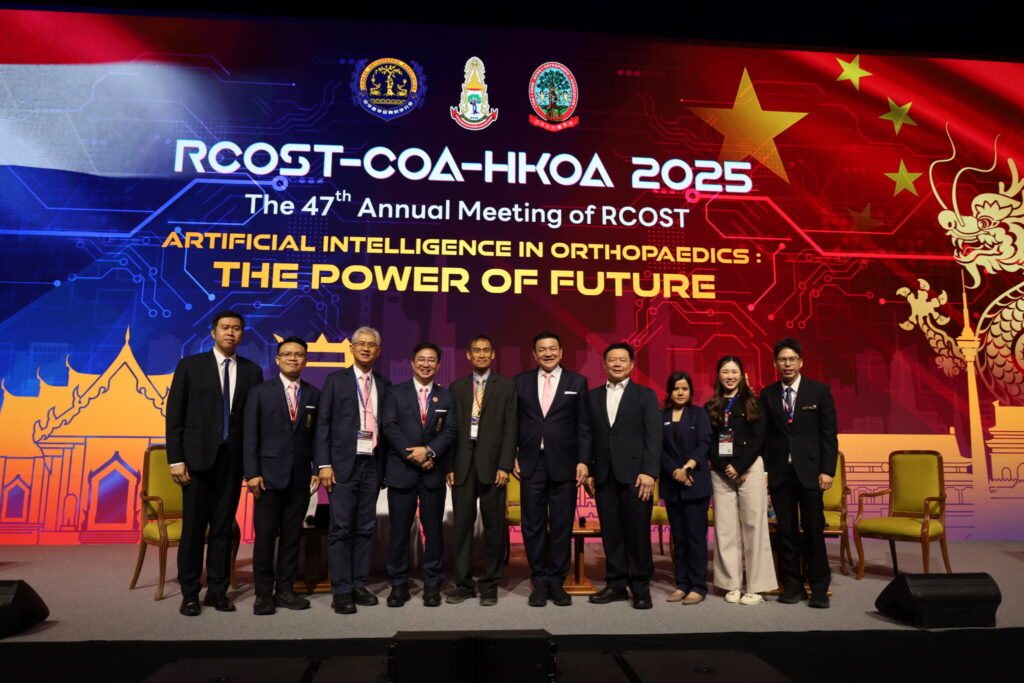
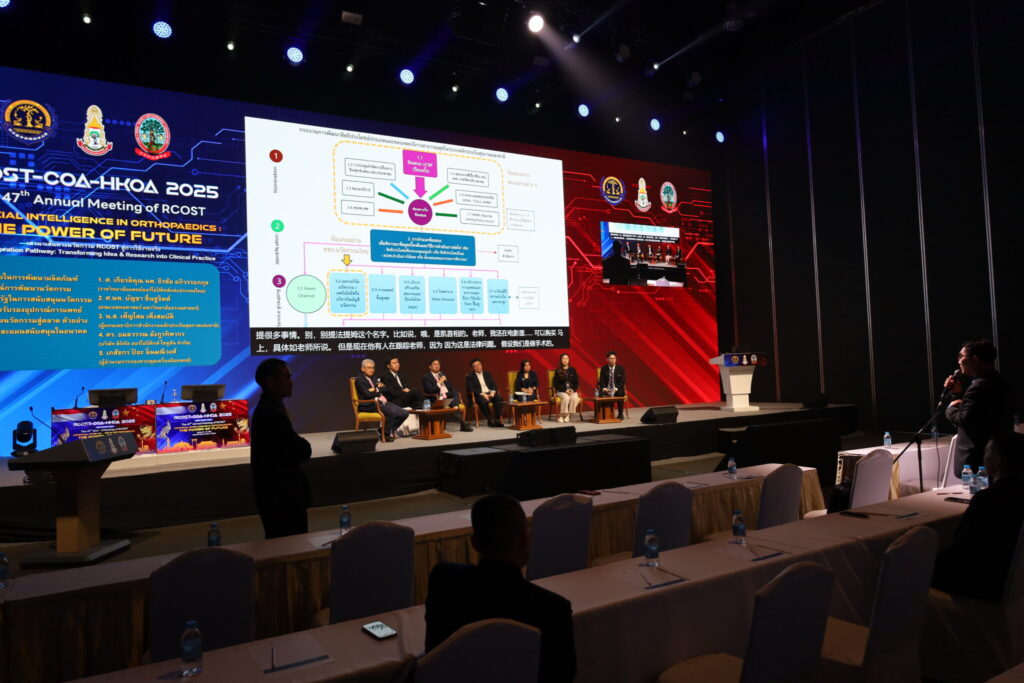
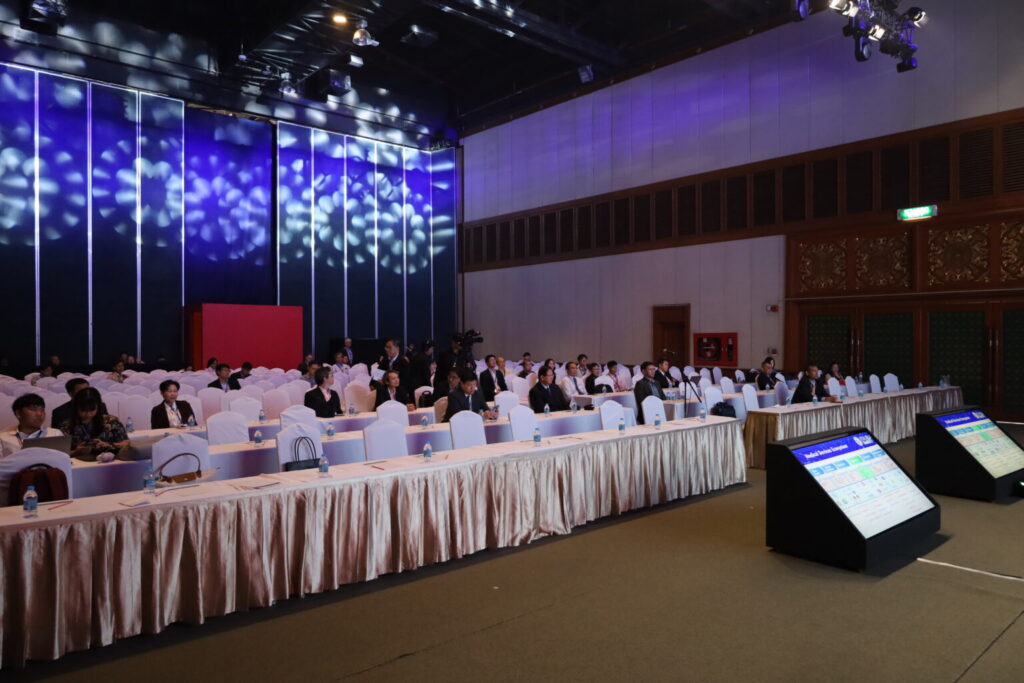
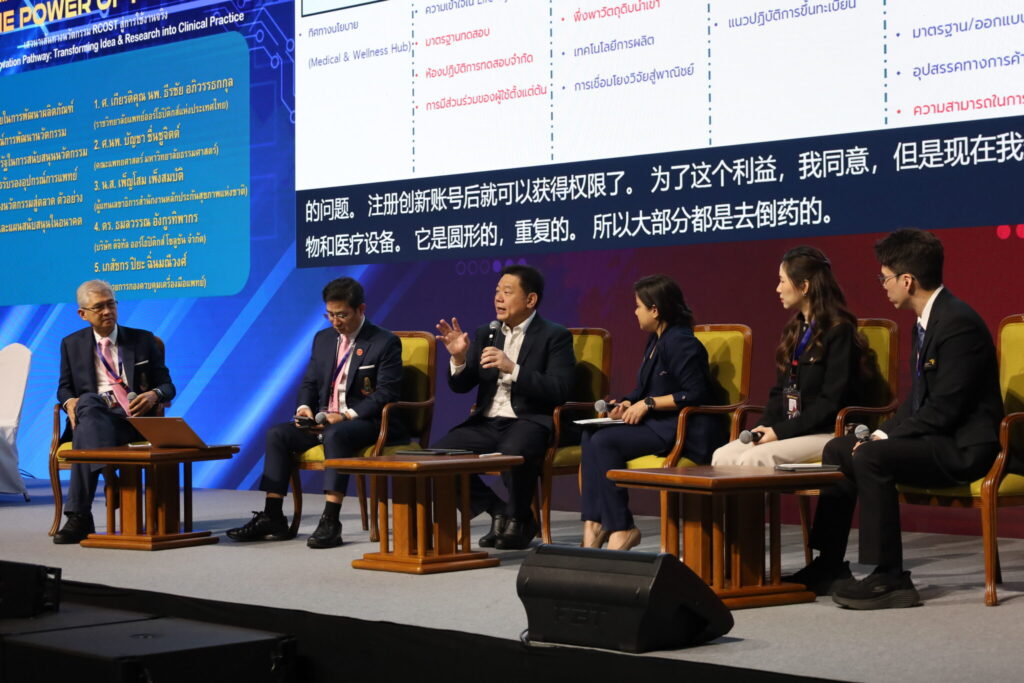
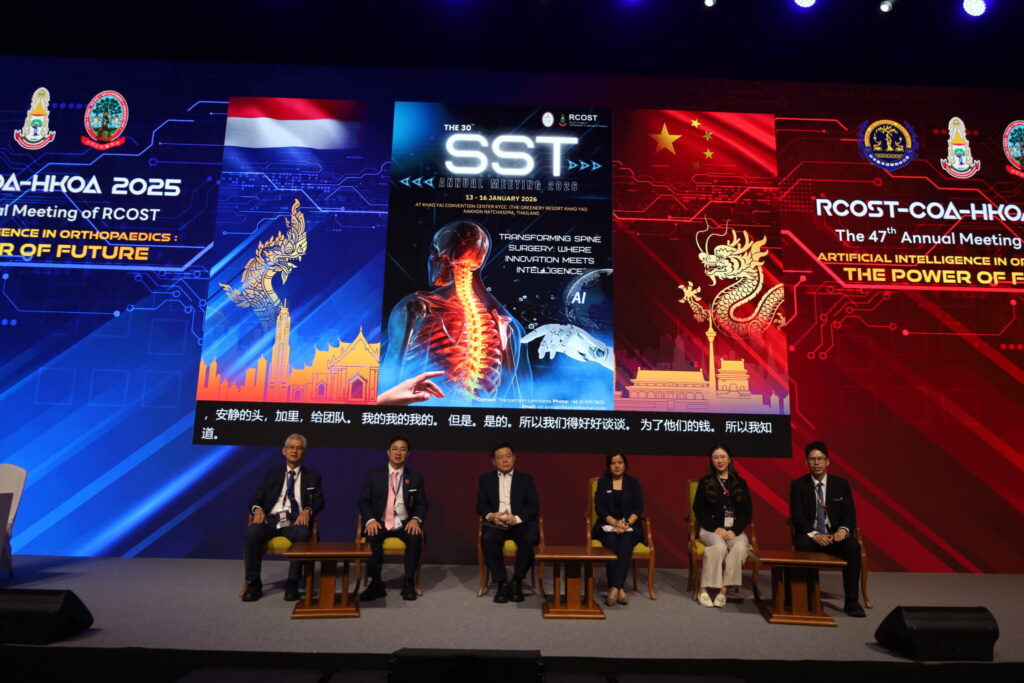
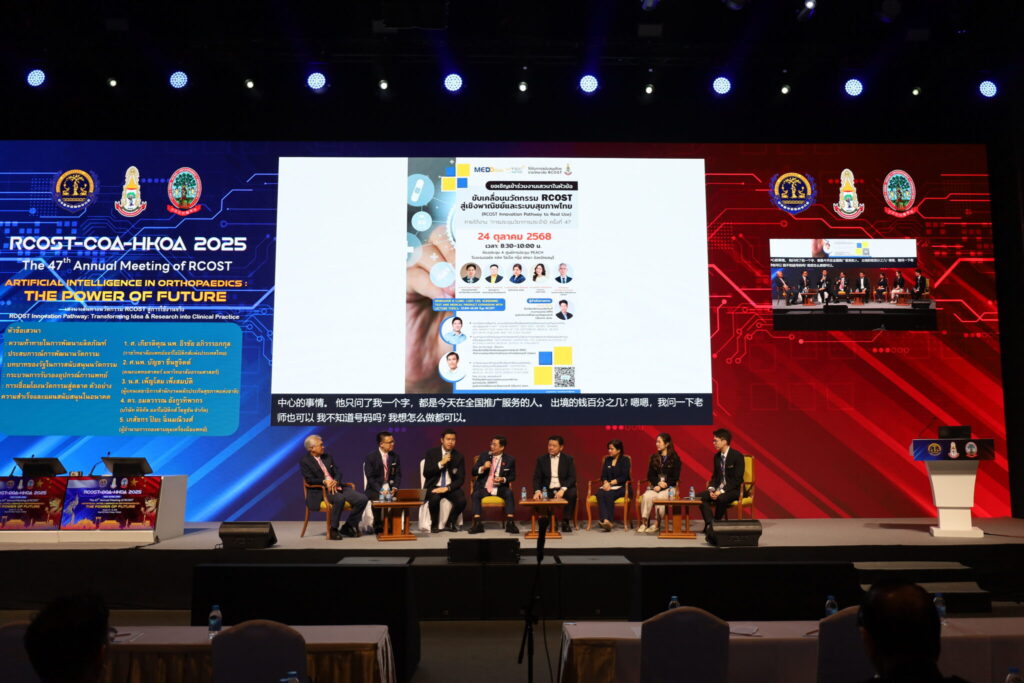
On October 24, 2025, in Conference Room A at the PEACH Convention Center, Royal Cliff Hotels Group, Pattaya, Chonburi Province, the Medical Device Development Platform (MED DRIVE) of the National Metal and Materials Technology Center (MTEC), National Science and Technology Development Agency (NSTDA), convened a panel discussion to gather expert perspectives on ‘Driving RCOST Innovation towards Commercialization and the Thai Healthcare System (RCOST Innovation Pathway to Real Use).’ This session was held during the 47th Annual Academic Conference of the Orthopedic Society of Thailand.
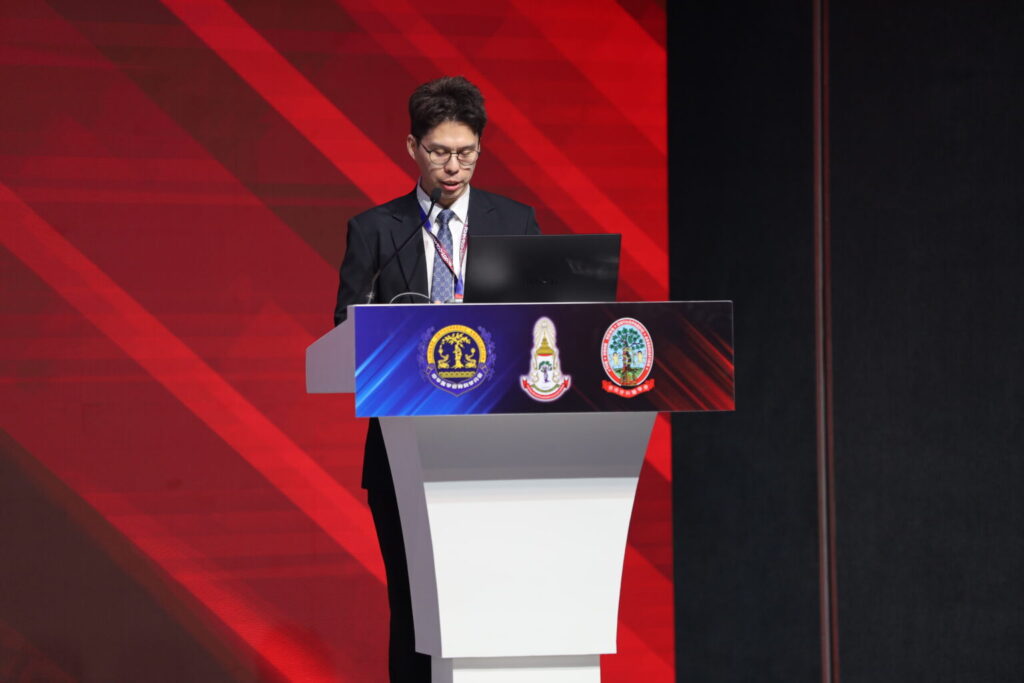
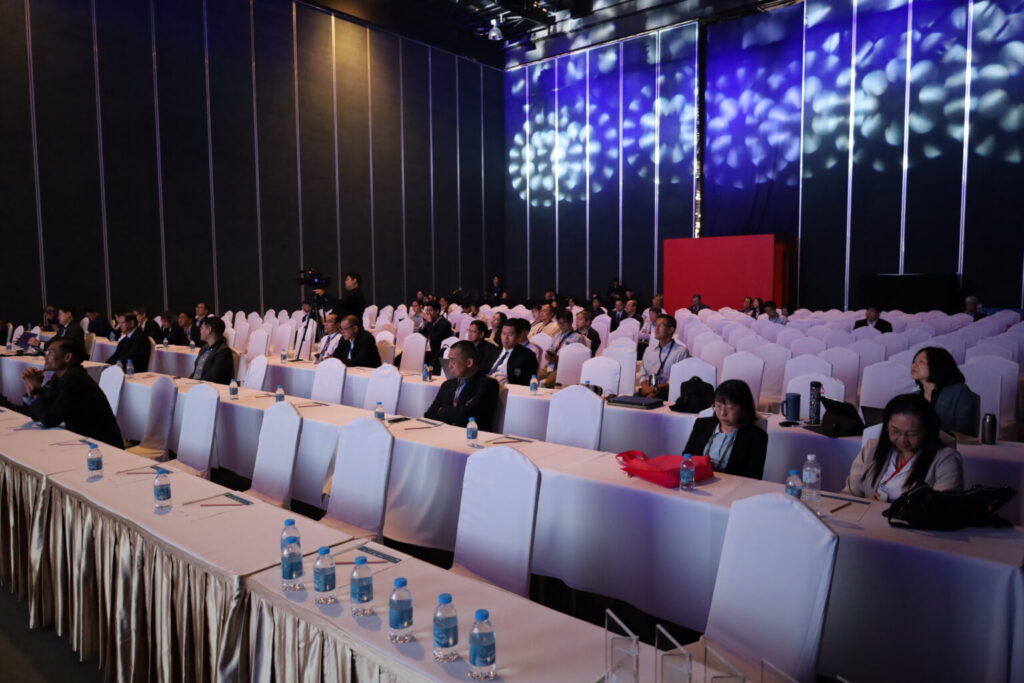
The discussion convened representatives from across the innovation ecosystem, including researchers from the National Science and Technology Development Agency (NSTDA) who have transitioned into entrepreneurship, clinician end-users and representatives from the Royal College of Orhopaedic Surgeons of Thailand (RCOST), regulatory authorities from the Medical Device Control Division of the Food and Drug Administration and healthcare reimbursement policymakers from the National Health Security Office (NHSO). Together, they explored pathways to advance Thai-developed “Locking Plate” and “Locking Screw”—engineered to accommodate the anatomical characteristics of Thai and Asian populations—toward practical implementation within the national healthcare system.
Genesis: Addressing Anatomical Mismatch through Design Refinement for Thai Patients
This innovative development was driven by the recognition of a longstanding issue encountered by Thai orthopedic surgeons: the mismatch in size and contour between imported orthopedic implants and the skeletal structures of Thai and Asian individuals. This discrepancy has adversely affected surgical outcomes, as bone fixation with standard metal plates fails to align precisely with the body sizes of Thai patients.
Associate Professor Theerachai Apivatthakakul, M.D., an executive member of the RCOST Innovation Committee, explained that numerous imported bone plate models are incompatible with the skeletal anatomy of Thai patients. This challenge is particularly pronounced in joint regions, such as the shoulder, knee, hip, and ankle. Such anatomical discrepancies may result in plate prominence or inadequate alignment with the bone surface, potentially compromising optimal bone healing.
To address this critical challenge, the Medical Product Innovation (MPI) research team at the National Metal and Materials Technology Center (MTEC), NSTDA, utilized computed tomography (CT) scans to establish a comprehensive national database of Thai skeletal anatomy. These data were subsequently leveraged to develop next-generation bone plates that are precisely aligned with Thai anatomical characteristics, incorporating a functional design approach tailored specifically to the clinical requirements of orthopaedic surgeons. The resulting research outputs have been formally registered as intellectual property with NSTDA, comprising a total of 13 filings to date.
The Orthopedic Equipment Market: An Annual Growth Opportunity of THB 1.4 billion
Dr. Thamonwan Angkurathipakorn, a board member of Digital Orthopaedic Solution Co., Ltd. (DiOS Co., Ltd.), provided market insights, indicating that Thailand’s orthopaedic device sector possesses an approximate annual value of THB 3 billion, accounting for 36% of the total medical device reimbursements. Notably, the ‘Locking plate’ and ‘Locking screw’ categories alone generate reimbursements exceeding THB 1 billion annually, according to data from the National Health Security Office (NHSO), which provides coverage for 73% of the population. When reimbursement data from all three public health insurance schemes are consolidated, the total market value reaches nearly THB 1.4 billion annually.
Dr. Thamonwan emphasized that “these real-world usage figures demonstrate significant market demand. However, the majority of devices in use are imported and lack proper adaptation to the anatomical dimensions of Thai patients, resulting in clinical complications. This discrepancy presents a significant opportunity to supply products specifically for Thai patients.”
Compliance with International Quality Standard: ISO 13485 Certification and Implementation in Over 500 Clinical Cases
The Thai-developed bone plate innovation has undergone comprehensive evaluation in accordance with international standards, encompassing both mechanical performance and biocompatibility within the ISO 13485 quality management system. The product is currently awaiting approval of the comprehensive supporting documentation for a Full Common Submission Dossier Template (Full CSDT) from the Food and Drug Administration. This certification is a prerequisite for inclusion in the Thai Innovation Account, which facilitates access to public-sector reimbursement mechanisms managed by the National Health Security Office (NHSO).
To date, the product has been utilized in excess of 500 clinical cases across 13 hospitals nationwide. Dr. Thamonwan confirmed that the innovation received a near-total positive reception from medical professionals, who noted that it “conforms precisely to the anatomy of Thai people while maintaining performance comparable to European products.”
Pharmacist Piya Chinmaneevong, Director of the Medical Device Control Division at the Thai Food and Drug Administration (Thai-FDA), emphasized that the Thai-FDA has transitioned from a traditional ‘regulator’ role to that of an ‘enabler.’ This approach involves proactive consultation during the preliminary stages of research and development, ensuring that medical innovations are developed in full compliance with regulatory standards and legal requirements from their inception.
RCOST and NHSO Join Forces to Optimize Procurement Budgets for Efficient Resource Utilization
Prof. Keerati Charoencholvanich, M.D., President of the Royal College of Orthopaedic Surgeons of Thailand (RCOST), highlighted a significant milestone: the National Health Security Office (NHSO) now authorizes RCOST—the primary end-user of orthopaedic devices in the healthcare sector—to actively contribute to budget planning and allocation. By consolidating feedback from all orthopaedic subspecialties into a unified consensus, RCOST is able to provide robust academic and clinical evidence to support the NHSO’s decision-making process, thereby facilitating a more effective distribution of procurement funds.
Consequently, as a result of this collaborative effort, RCOST agreed to omit over 30 non-essential medical devices from the procurement list, reallocating the resulting fiscal savings to support ‘priority items’ of critical clinical importance, including orthopaedic innovations developed domestically. This strategic realignment aims to mitigate the outflow of healthcare expenditure associated with imported medical devices.
“The mandate of the Royal College is to identify what is truly essential and deliver the optimum benefit to patients. If Thai expertise demonstrates effective performance, then it is our responsibility to advance it forward to a world-class level,” stated Prof. Keerati.
The NHSO Introduces a Dedicated Mechanism to Support a 30% Procurement Quota for Thai Innovations
Ms. Pensom Pengsombut, an expert at NHSO, clarified that the NHSO has implemented a policy to facilitate the acquisition of Thai-developed innovations, allocating a minimum of 30% of its total procurement budget specifically to these domestic advancements. Over the past fiscal year, the value of innovation procurement within the national healthcare system under the Universal Health Coverage scheme exceeded THB 6 billion.
In addition, the National Health Security Office (NHSO) has implemented an expedited procedure for the Universal Coverage Benefit Package (UCBP), granting conditional waivers pertaining to cost-effectiveness and budget impact evaluations. This accelerated pathway facilitates the rapid integration of innovations into the healthcare system.
Key Barriers: Legal Risk and Insufficient Stakeholder Confidence
Despite the high quality of Thai products, several obstacles hinder broad market entry. These include skepticism among certain medical practitioners regarding the efficacy of Thai products, financial constraints confronting small enterprises, and the complex nature of government procurement regulations. The latter frequently generates concerns regulatory inspections among physicians and procurement personnel.
Assoc. Prof. Artit Boonrod, M.D., a faculty member of the Sports Medicine Unit within the Department of Orthopaedics, Faculty of Medicine, Khon Kaen University, observed that small Thai companies lack the agility necessary to provide nationwide services. Furthermore, these entities face significant challenges regarding operational flexibility, particularly in securing the performance guarantees required for sales contracts, thereby complicating their ability to compete with multinational corporations within the e-bidding procurement system.
Dr. Surachai Jiraprapakorn, M.D., Physician, a Senior Professional Level Physician at Lamphun Hospital, emphasized that the predominant concern pertains to legal risk stemming from potential allegations of non-compliance with the procurement regulations. “The accountable parties may encounter severe legal consequences,” particularly in cases where equipment is utilized that was not explicitly outlined in the contract. Consequently, this uncertainty prompts most hospitals to hesitate to exercise their procurement privileges.
Strategic Direction: ‘Innovation-Specific Procurement’ Aligned with the National Strategy
Assoc. Prof. Arthit, M.D., and Dr. Surachai, M.D., jointly proposed that clinicians utilize the ‘innovation-specific procurement’ mechanism facilitated by the Thai Innovation Account to circumvent the complexity of the e-bidding system. They emphasized that leveraging through this dedicated channel allows physicians to operate with greater confidence, as it is a special provision designed exclusively for Thai innovations. Crucially, this approach represents the most procedurally compliant and legally secure pathway for both pilot implementation (try-out) and the scaling of adoption in broader clinical settings.
Elevation to a National Strategy through a Centralized Dashboard
Ms. Pensom proposed that the government elevate health innovation development to the status of a ‘national strategy’ and establish key performance indicators (KPIs) to foster continuous promotion and collaboration among all stake holding agencies.
The NHSO is currently developing a centralized dashboard to aggregate data on ‘Top Instruments,’ intended for dissemination to the National Science Council (NSC) and researchers. This initiative aims to facilitate the development of targeted products and to mitigate research discrepancies that do not align with actual clinical requirements.
Establishing Robust Evidence
Assoc. Prof. Theerachai, M.D., suggested conducting comprehensive research on the ‘Anatomical Plate for the Thai Population’ and publishing the findings in national and international peer-reviewed journals to instill confidence that the product precisely matches Thai anatomical specifications. Additionally, a clinical guideline will be developed to assist physicians in the appropriate prescription of Thai innovative devices, thereby alleviating concerns regarding potential legal risks.
A Unified Strategic Vision: Mitigating Over 50% of Foreign Healthcare Expenditure
The forum underscored a collective vision among the Royal College of Orthopaedic Surgeons of Thailand (RCOST), the NHSO, the Thai-FDA, and researchers from NSTDA to operate in an integrated manner to reduce more than 50% of healthcare budget outflows currently allocated to imported medical devices.
Experts across various sectors unanimously agree that the integration of the innovation ecosystem throughout the entirety of the supply chain —encompassing research and development, regulatory compliance, procurement, and clinical application —is essential for establishing long-term sustainability and security within the medical device industry.
“The fundamental drivers of this initiative include: (1) a legally secure procurement pathway specifically designated for innovation; (2) a national strategy bolstered by key performance indicators (KPI); (3) a centralized dashboard system facilitating connectivity among researchers; and (4) robust evidence generated through scientific research and the establishment of clinical guidelines.”
This collaborative effort, consequently, marks a significant milestone in advancing ‘Thai-led innovation’ in a truly sustainable manner. Its ultimate objective is to enhance the quality of patient care through medical products designed explicitly for Thai anatomy, while simultaneously strengthening national health economic security and reducing long-term dependency on imported medical devices.