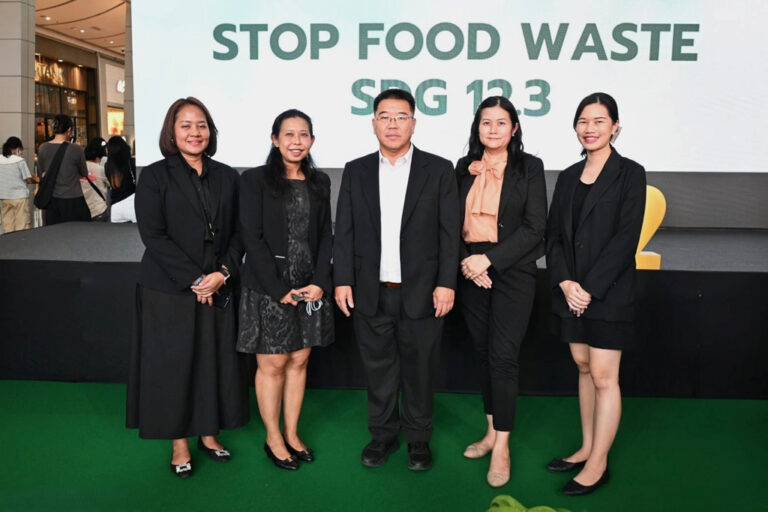
Ministry of Natural Resources and Environment and MTEC United Public–Private–People Sectors to Drive “Stop Food Waste SDG 12.3” Campaign, with Central Pattana Leading Over 300 Restaurants at CentralWorld
The Ministry of Natural Resources and Environment emphasized that reducing food waste is a structural challenge, underscoring the importance of collaboration among the public, private, and people sectors. The Ministry announced its commitment to mobilizing all sectors to drive tangible reductions in food waste through the “Stop Food Waste SDG 12.3” initiative. Under the policy declaring 2025 as the Year of Sustainable Consumption, the campaign aims to ensure that food waste reduction becomes a new cultural norm for Thai society, rather than a short-term effort.
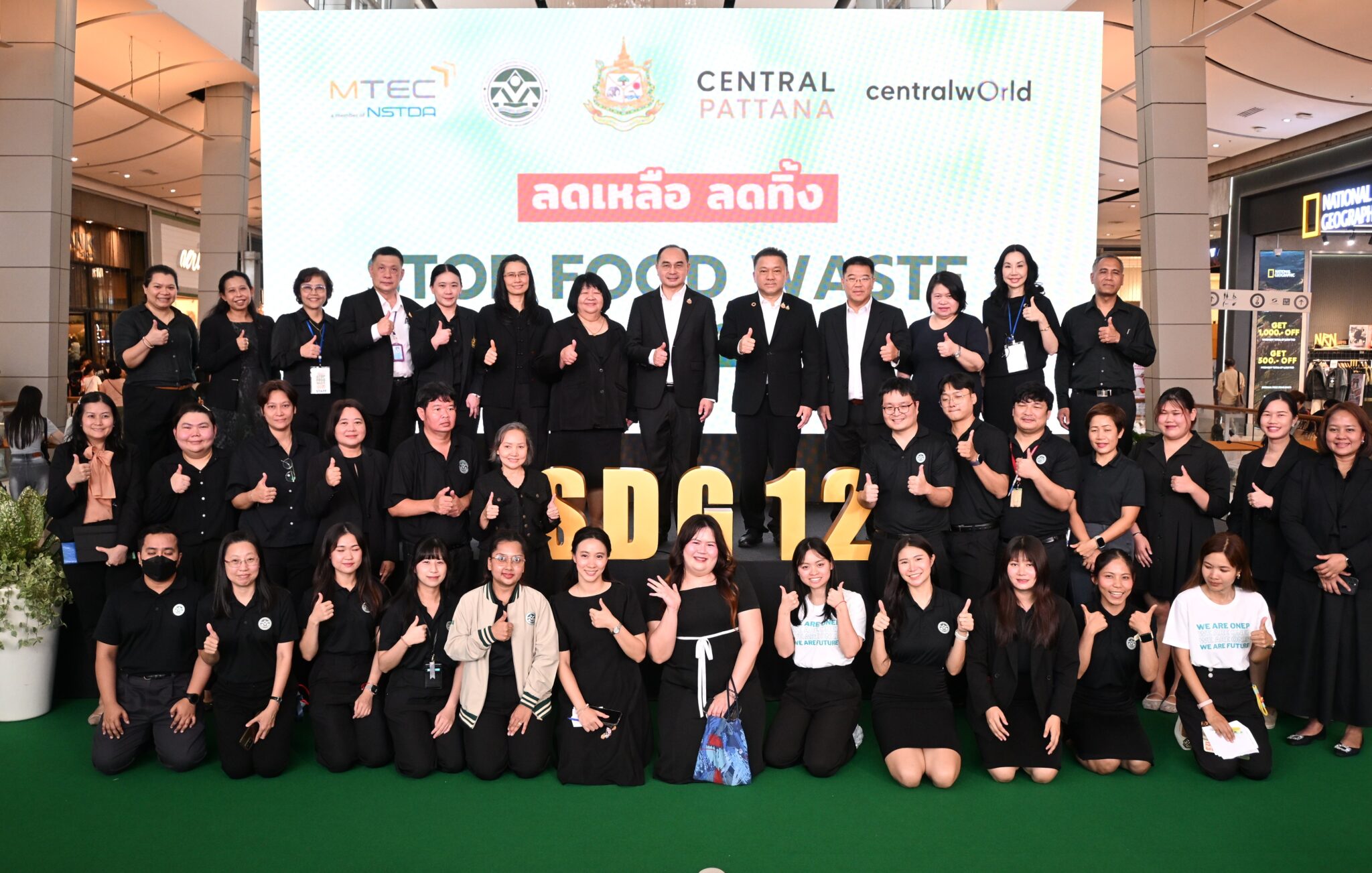
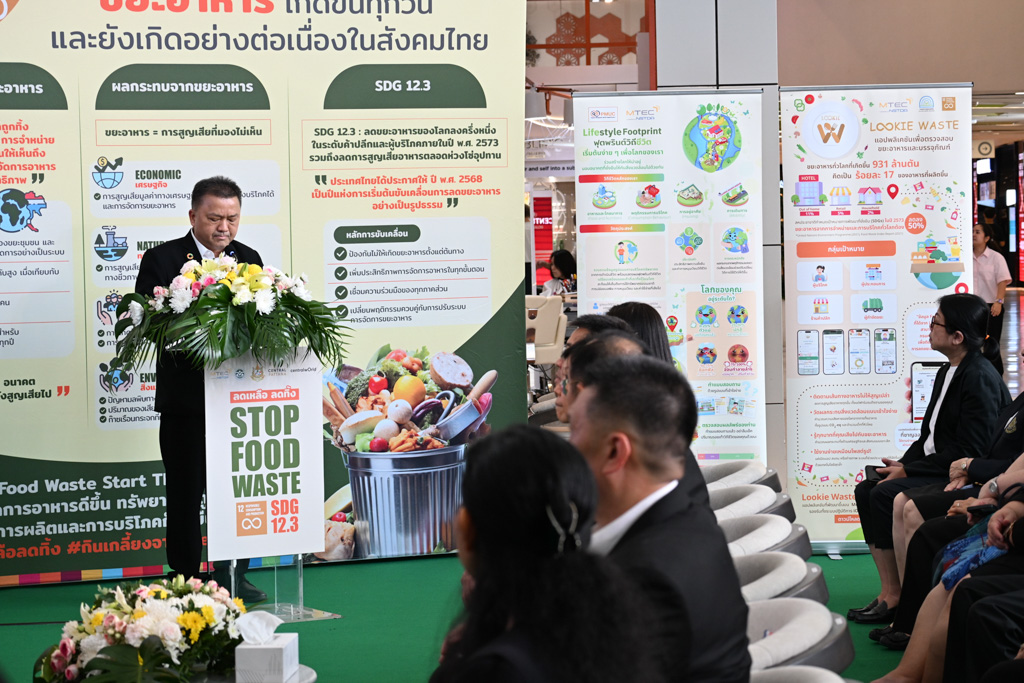
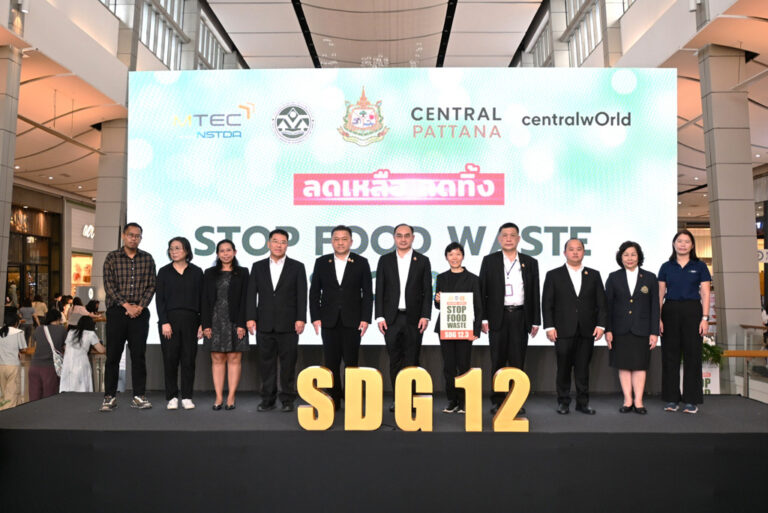
March 30, 2026, at Eden Zone, 3rd Floor, CentralWorld
Central Pattana Public Company Limited has formally launched its involvement in the “Stop Food Waste SDG 12.3” initiative by incorporating over 300 restaurants within CentralWorld into the program. Participating venues will receive the “Stop Food Waste” campaign sticker, a designation signifying their dedication to responsible food waste management and aiming at promoting “mindful consumption” to a wider public.
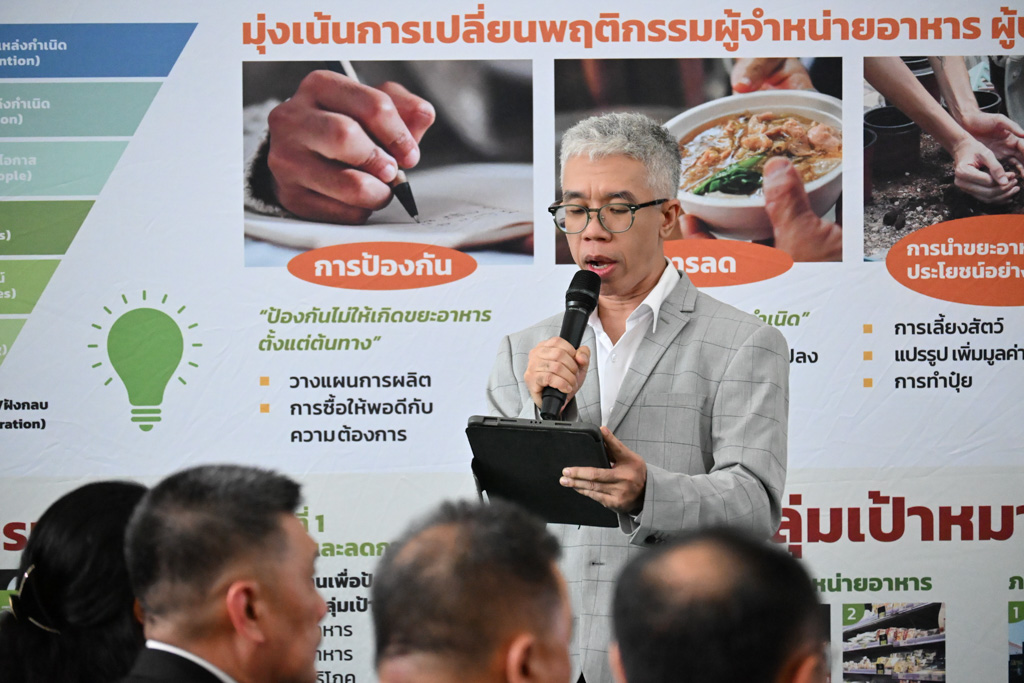
The initiative is coordinated by the Office of Natural Resources and Environmental Policy and Planning (ONEP), in collaboration with the National Metal and Materials Technology Center (MTEC), NSTDA. MTEC serves as a principal knowledge and technology partner, spearheading innovations in food waste management, notably the LookieWaste application, which integrates policy enforcement with practical measures to systematically mitigate food waste.
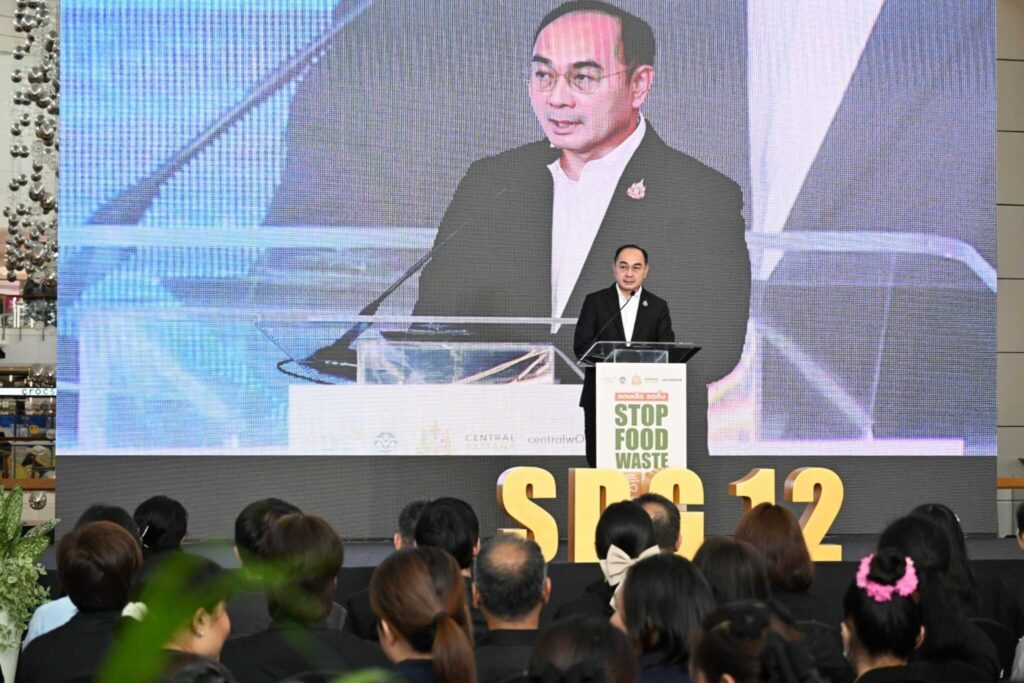
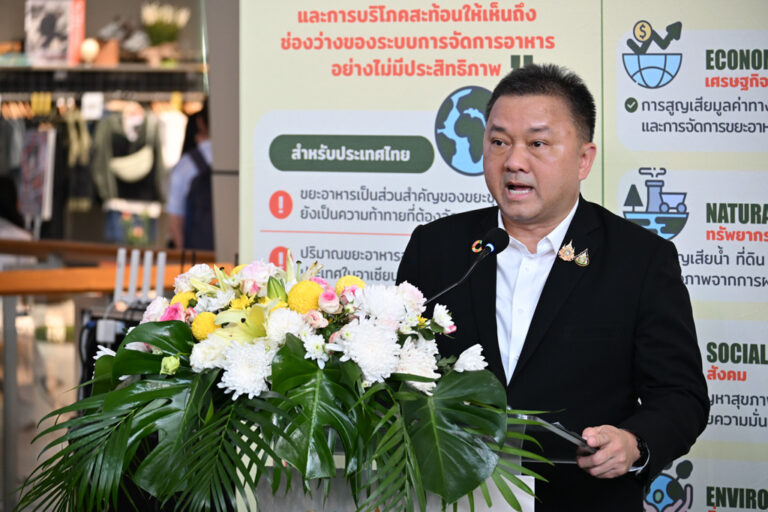
The event was presided over by Mr. Prasert Sirinapaporn, Deputy Permanent Secretary of the Ministry of Natural Resources and Environment. Notable attendees included Mr. Bannaruk Sermthong, Secretary-General of ONEP, senior officials from the Ministry of Natural Resources and Environment, Associate Professor Toemsak Srikhirin, Director of MTEC, NSTDA, alongside representatives from key partner organizations.
Mr. Prasert Sirinapaporn, Deputy Permanent Secretary of the Ministry of Natural Resources and Environment, asserted, “Reducing food waste is not merely an end-of-pipe measure, but necessitates transforming production and consumption systems from their inception. If all sectors collaborate with genuine commitment, Thailand can expedite the reduction of food waste and leverage this challenge to advance the Sustainable Development Goals globally.”
Implementing the “Stop Food Waste” initiative within shopping malls—vital economic hubs with high consumption volumes—establishes a pivotal model for mitigating food waste in the service sector. It functions as a foundational framework for developing effective food waste management practices and catalyzes the behavioral change necessary to achieve tangible reductions. Furthermore, this approach is designed to be replicated and extended across other sectors, cultivating broader, sustained waste-reduction efforts nationwide.
In this capacity, the Ministry of Natural Resources and Environment calls upon all sectors to actively participate in reducing food waste, beginning with responsible consumption—reducing excess and minimizing waste. Collectively, these concerted efforts can function as a transformative force in securing a sustainable future, significantly reducing food waste, and propelling Thai society toward sustainable production and consumption patterns.