MTEC Collaborates with Thai–European Partners to Prepare Thai Businesses for PPWR, Highlighting Collaboration as Essential for Sustainable Packaging and Global Competitiveness
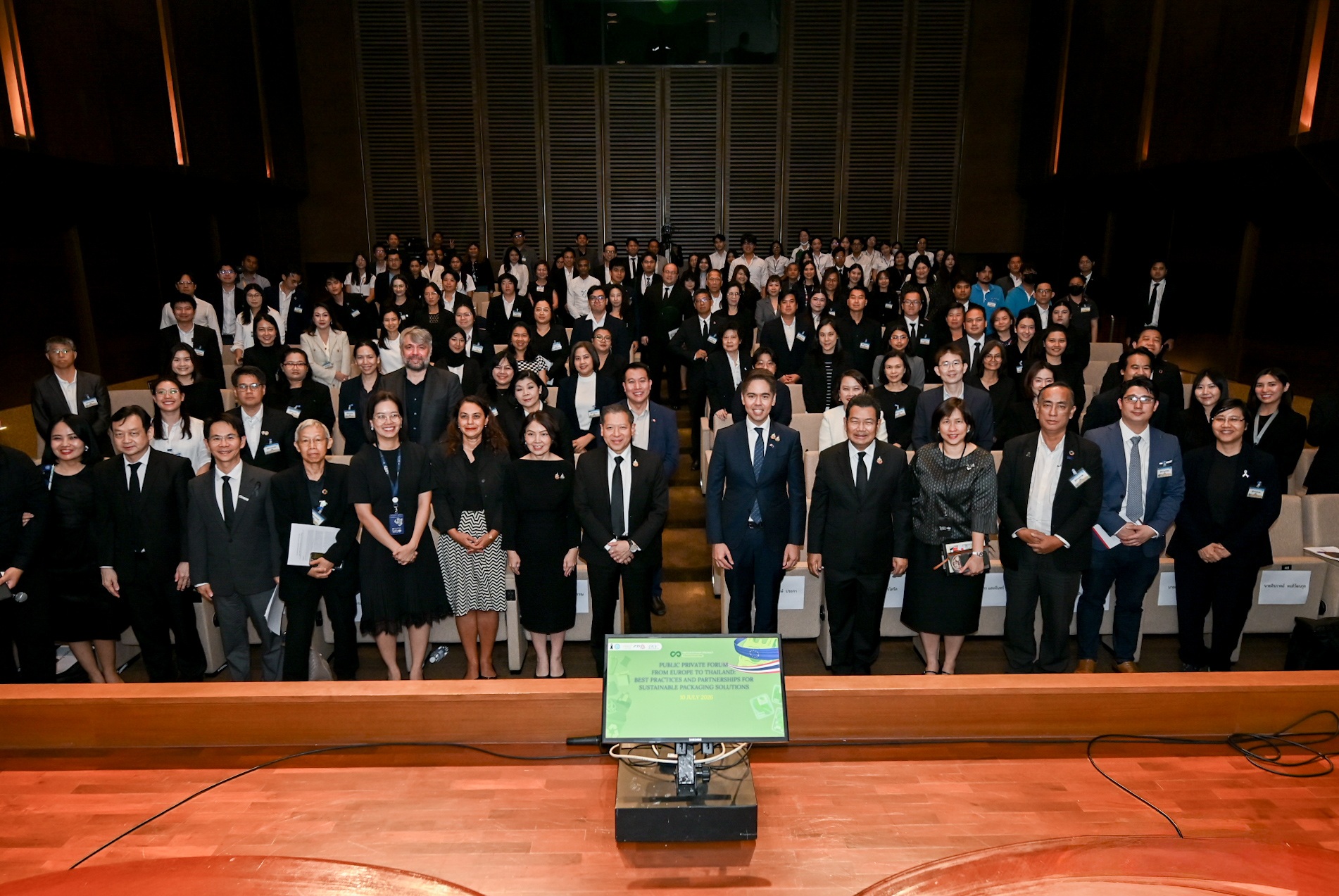
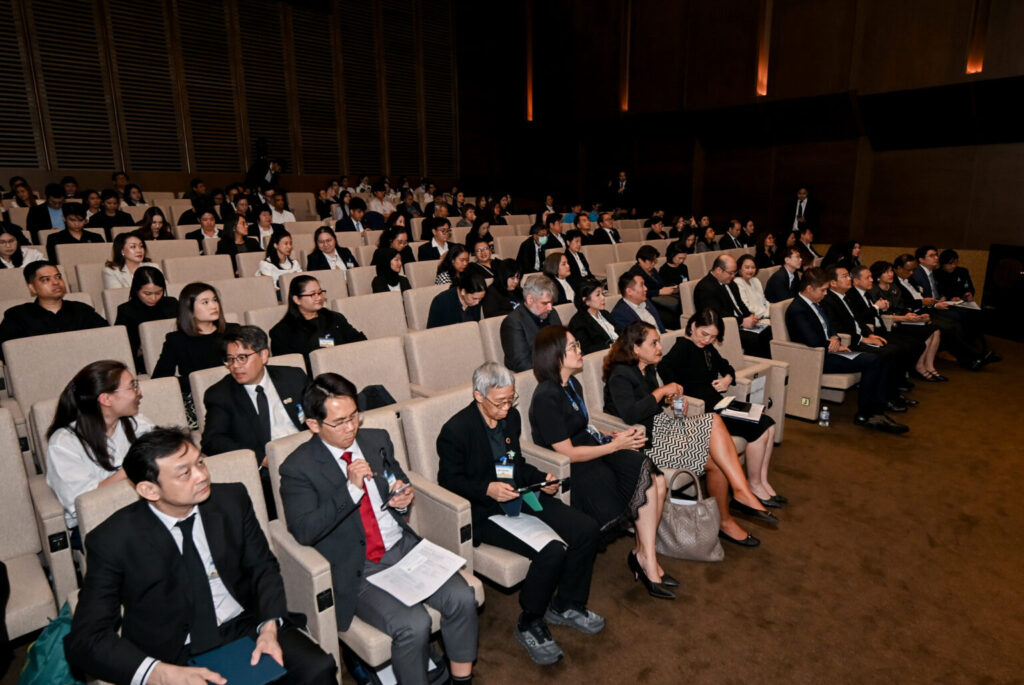
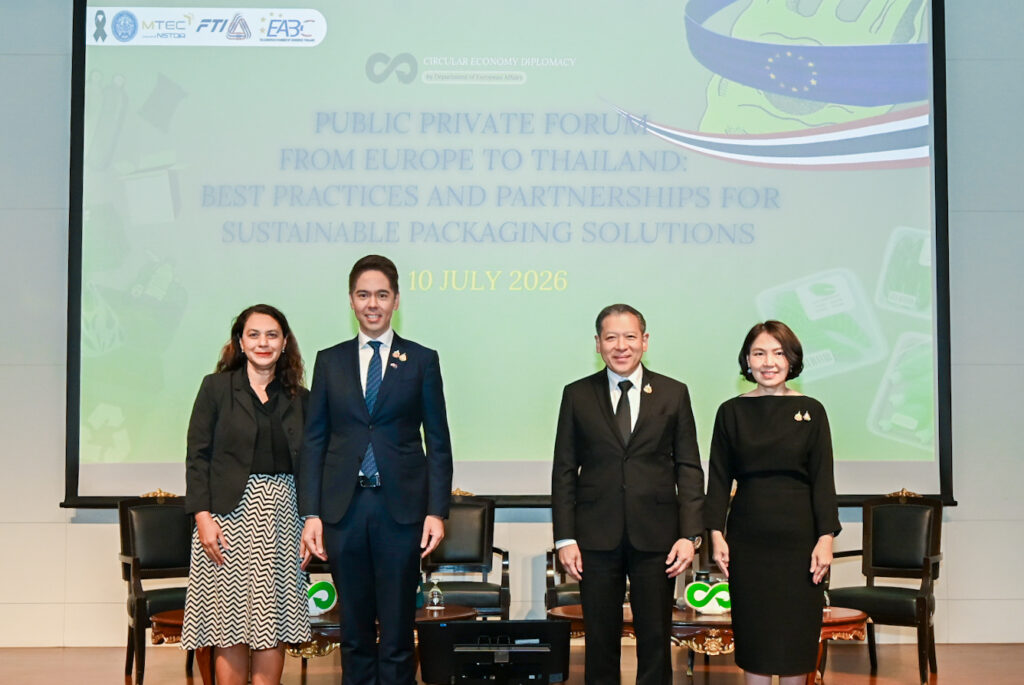
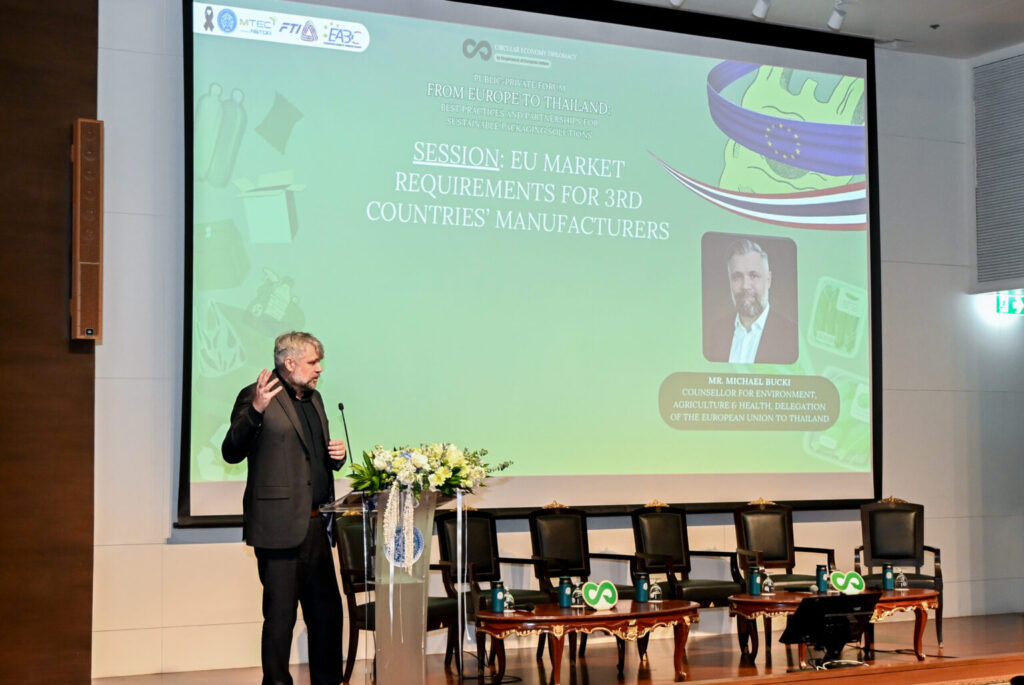
On July 10, 2026, the Ministry of Foreign Affairs and the EU Delegation to Thailand jointly hosted a public-private forum called “From Europe to Thailand: Best Practices and Partnerships for Sustainable Packaging Solutions.” The event, in collaboration with MTEC, NSTDA, the Federation of Thai Industries, and the EU–ASEAN Business Council, aimed to promote sharing strategies and encourage collaboration to align the Thai industry with the EU’s ongoing Packaging and Packaging Waste Regulation (PPWR).
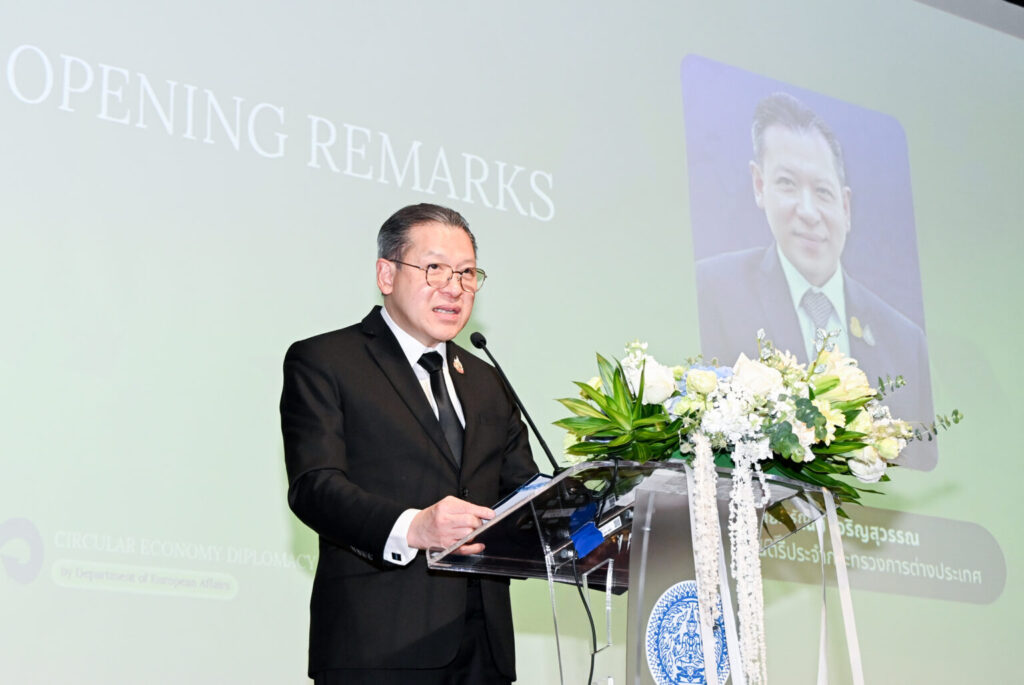
In his opening remarks, Mr. Sarun Charoensuwan, Assistant Minister for Foreign Affairs, stated that Thailand is already committed to advancing the circular economy and sustainable development. Adapting to PPWR therefore does not represent a change in direction; rather, it is an opportunity to raise production standards, enhance credibility, and strengthen the competitiveness of Thai businesses in global supply chains. He emphasized that the forum serves as a bridge for cooperation between Thailand and the European Union in jointly advancing this agenda.
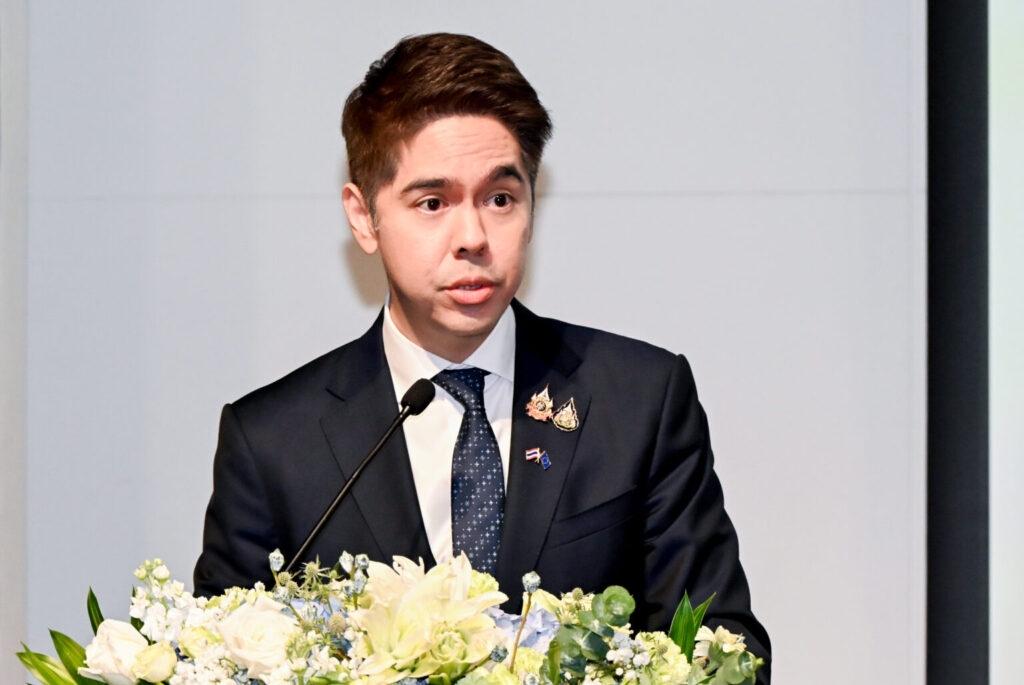
Mr. Werapong Prapha, Thai Trade Representative, stated:
“Sustainability has become the language of competitiveness.”
He emphasized that competition in today’s global trade is no longer determined solely by what is produced, but also by how it is made. PPWR should not be viewed as a trade barrier; rather, it acts as a driver for moving toward sustainable and resilient supply chains. Achieving this will require collaboration across all sectors, especially efforts to assist SMEs in accessing knowledge, technologies, and practical support for adaptation.
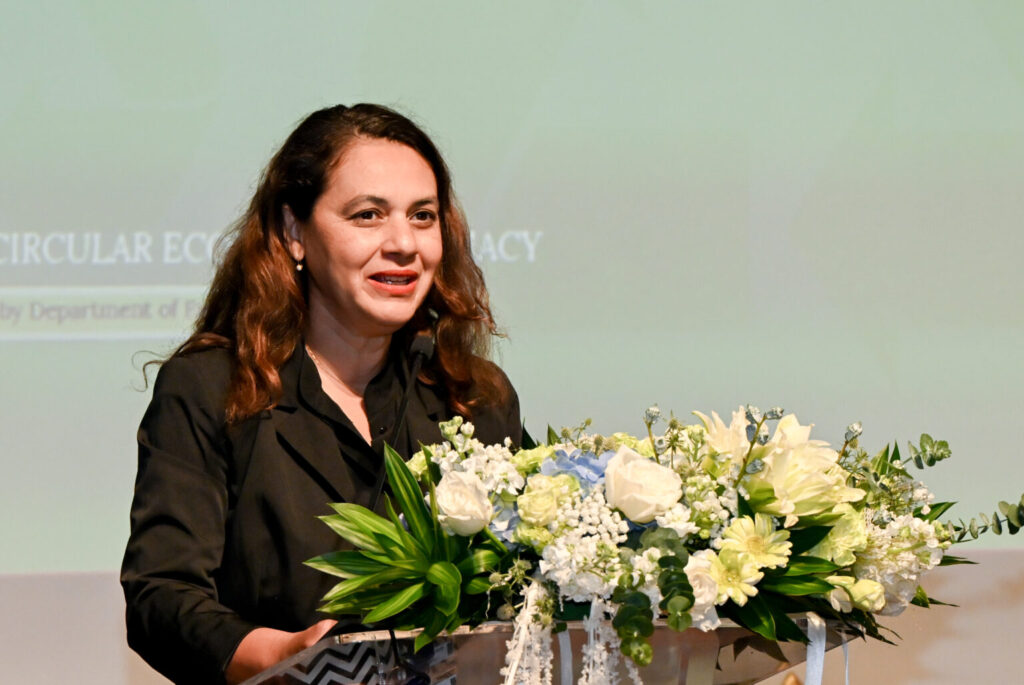
Ms. Renita Bhaskar, Minister Counsellor and Head of Trade and Economic Affairs at the Delegation of the European Union to Thailand, stated:
“Sustainability and competitiveness are the same goal.”
She described PPWR as the overall ‘direction” that all countries are heading toward. While additional details will be revealed gradually, the crucial step is to start adapting now. Thailand has the capability to emerge as a regional leader in the circular economy, and the forum should be seen not just as a chance to learn about regulations but also as a platform to foster new opportunities in research, innovation, and Thai–European collaboration.
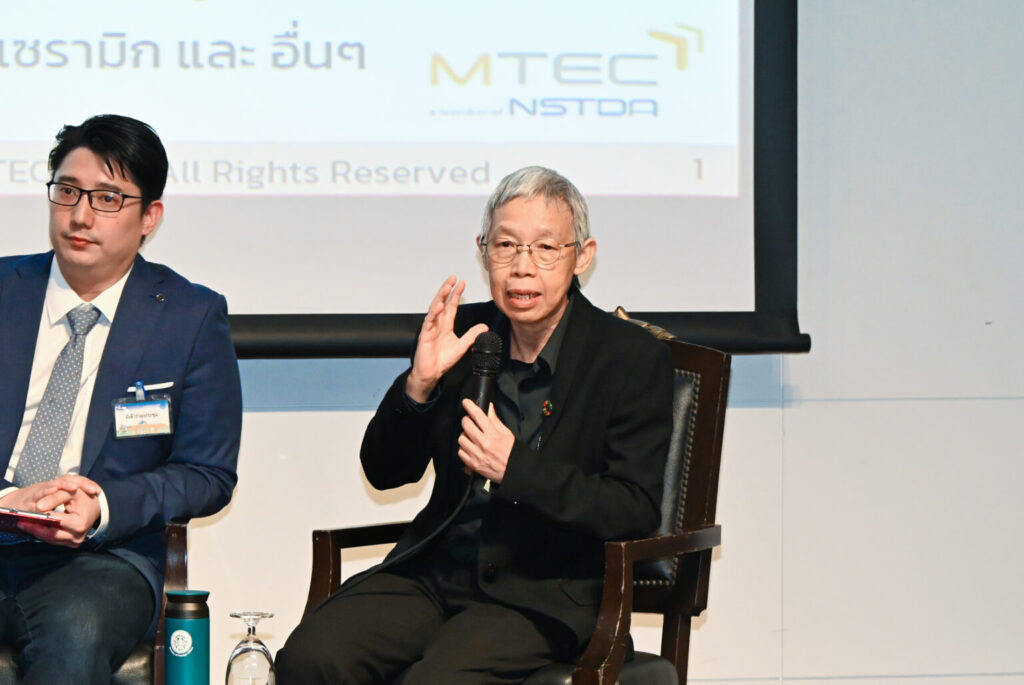
At the event, Dr. Nudjarin Ramungul, an MTEC researcher, highlighted key PPWR milestones that will take effect progressively: requirements concerning chemical substances and declarations of conformity in 2026; labeling and digital information systems in 2028; and requirements for design for recycling and the use of recycled content in 2030. She stressed that businesses need to know not only “what to do,” but also “how to do it” so that they can comply with the requirements in practice.
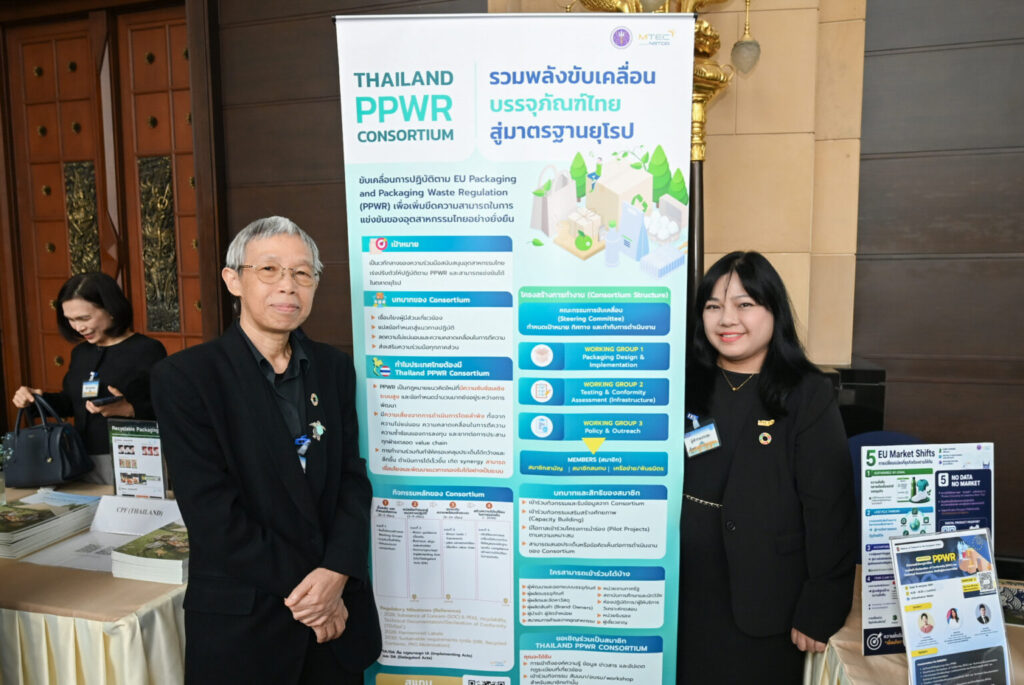
To support Thai industry, MTEC has promoted the establishment of the “Thailand PPWR Consortium” as a collaborative mechanism bringing together government agencies, the private sector, research institutions, and experts. The consortium will help businesses comply with PPWR through knowledge exchange, consultation, developing support tools, and compiling databases covering relevant service providers, technologies, and services.
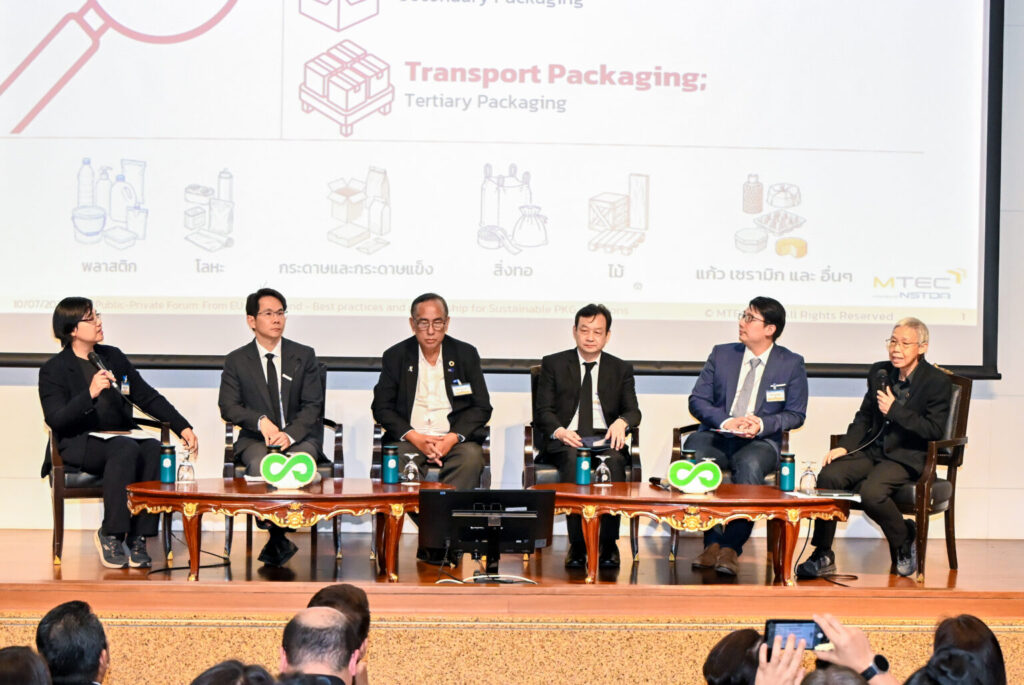
The panel discussion was moderated by Dr. Vasimon Ruanglek of the Federation of Thai Industries and Dr. Nudjarin Ramungul of MTEC. Panelists included Mr. Tawin Somboonsakdikul of SCG Chemicals Public Company Limited; Mr. Kongsak Dokbua, Assistant Director of the Plastics Institute of Thailand; Mr. Sirapak Hongwattanakul of Danone Specialized Nutrition (Thailand) Co., Ltd.; and Mr. Kitti Wangwiwatsilp of CPF (Thailand) Public Company Limited. The panelists agreed that PPWR compliance cannot be achieved simply by changing packaging materials. It requires rethinking and redesigning the entire packaging system—from design and material selection to data management, traceability, and the development of essential infrastructure, such as Extended Producer Responsibility (EPR) systems and data-verification mechanisms—to enable an effective transition to circular packaging across the value chain.
Summarizing the panel discussion, Ms. Somrudee Poopornanake, Director-General of the Department of European Affairs at the Ministry of Foreign Affairs, emphasized that tackling PPWR challenges requires collaboration across all sectors, as no single organization can do it alone. Thailand’s strength is its extensive network of partners in government, academia, and the private sector. MTEC plays a crucial role by providing technical and innovation expertise, fostering knowledge exchange, and connecting Thai organizations with international partners. This support helps Thai businesses to adapt to and overcome PPWR-related issues.