DPIM and MTEC-NSTDA Forge Partnership to Decarbonize Thai Metal Industry and Boost CBAM Preparedness
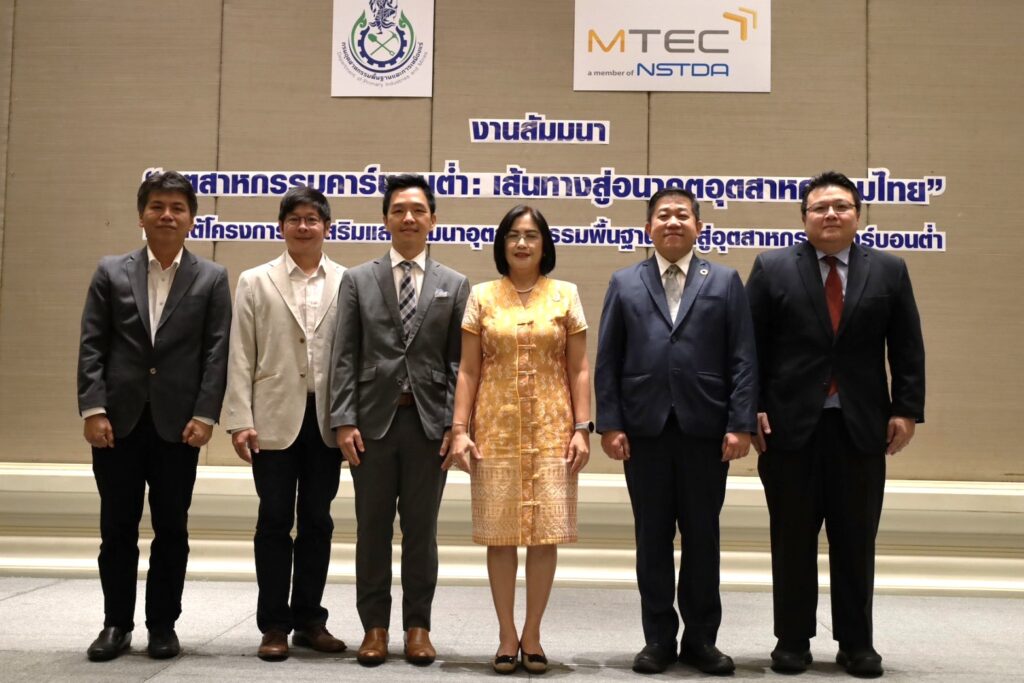
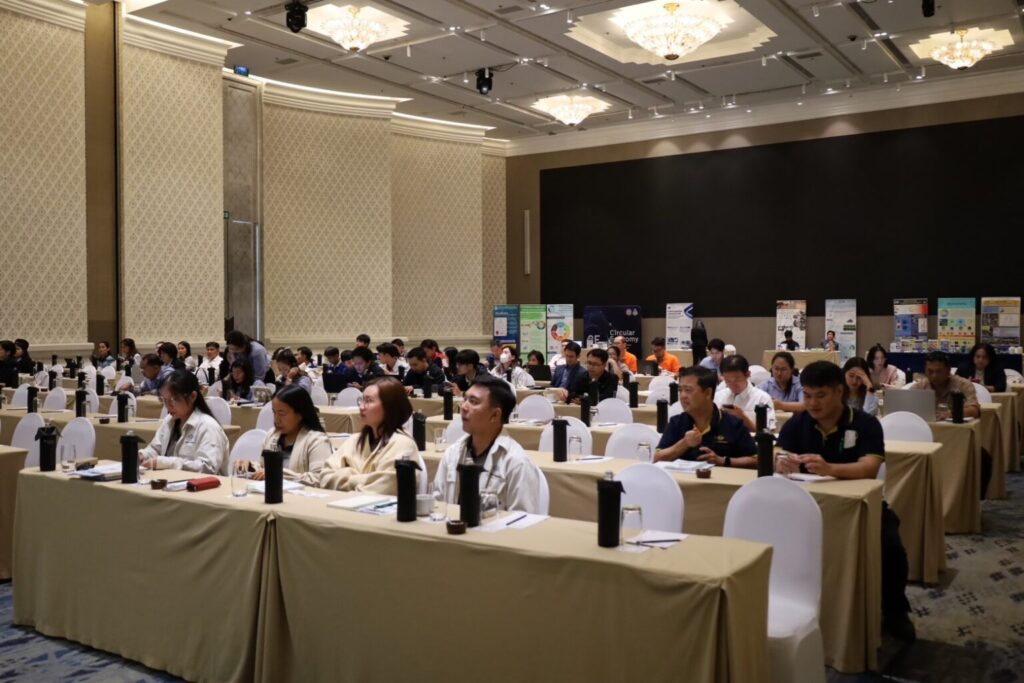
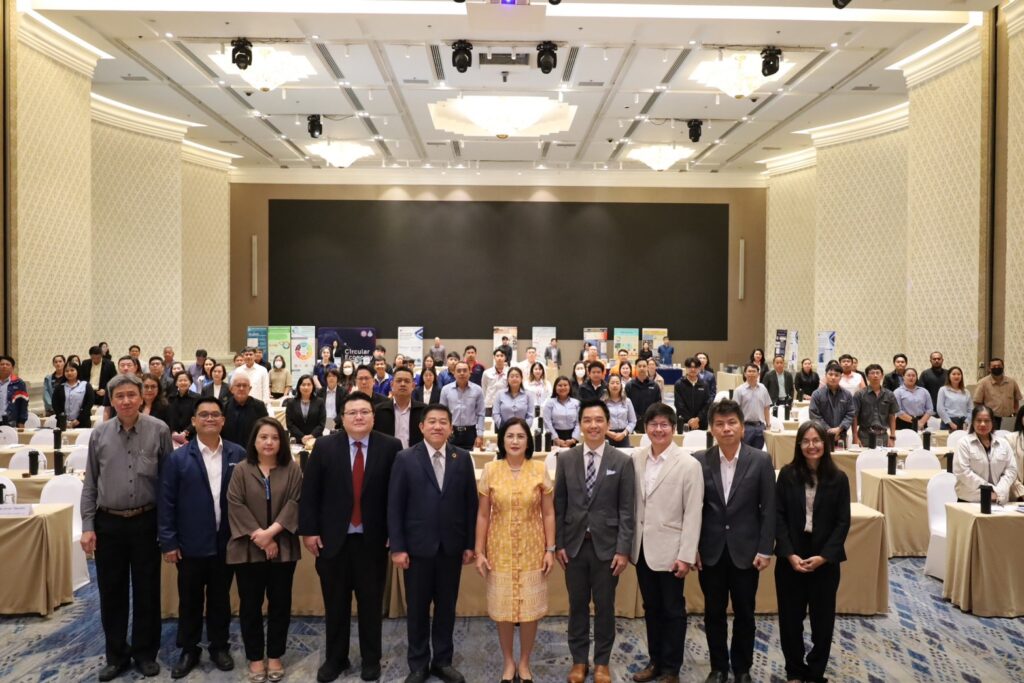
The Department of Primary Industries and Mines (DPIM), in collaboration with the National Metal and Materials Technology Center (MTEC-NSTDA), convened a seminar titled “Low-Carbon Industry: Pathway to the Future of Thai Industry” on October 9, 2025, at Pullman Bangkok King Power. The objective of the initiative was to support non-ferrous and non-steel metal industries—specifically including aluminum, copper, lead, zinc, and tin—in preparing for emerging environmental trade barriers, notably the European Union’s Carbon Border Adjustment Mechanism (CBAM).
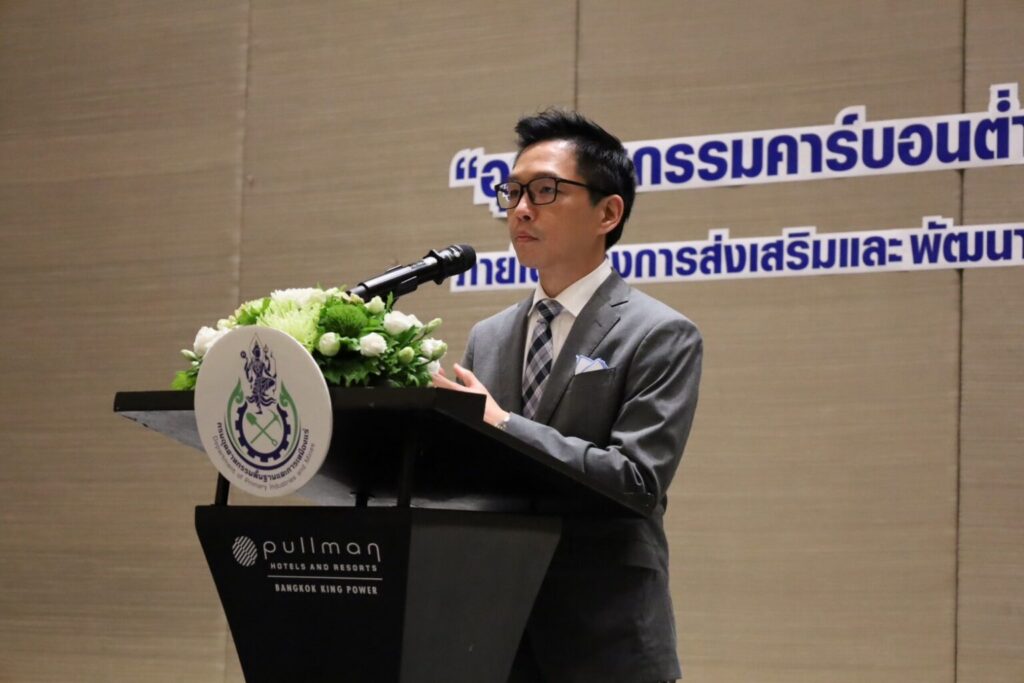
Dr. Sarawut Lerspalungsanti, Deputy Executive Director of the National Metal and Materials Technology Center (MTEC-NSTDA), delivered the welcoming remarks and stated that the project aims to transfer knowledge, technologies, and case studies on greenhouse gas reduction from three pilot factories. These demonstrations are intended to guide the industrial sector in mitigating the impacts of CBAM and in raising Thailand’s manufacturing standards.
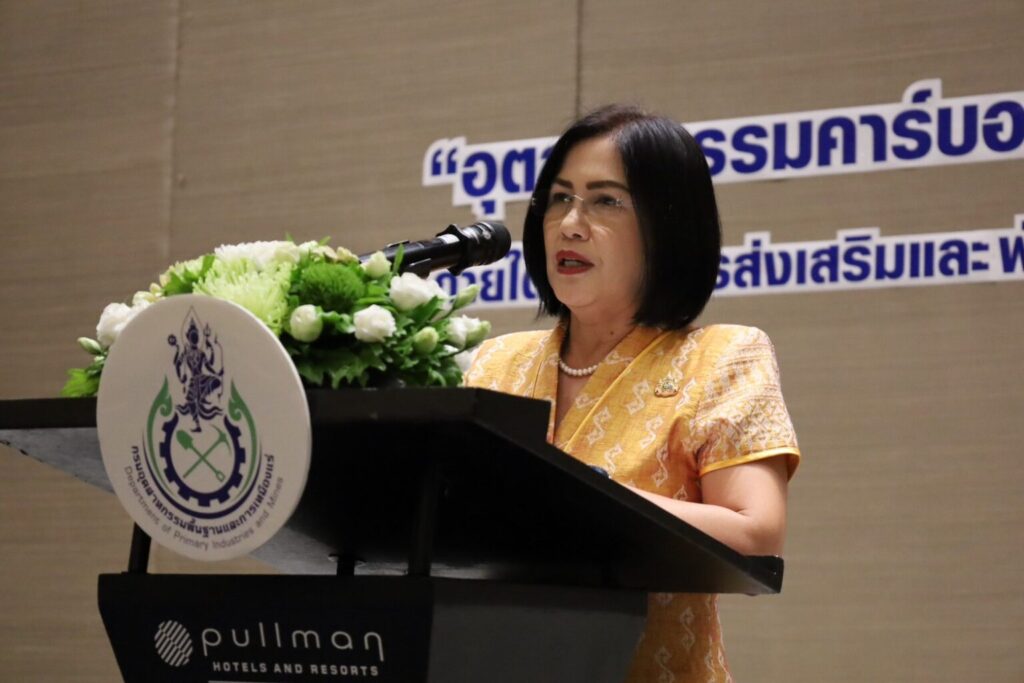
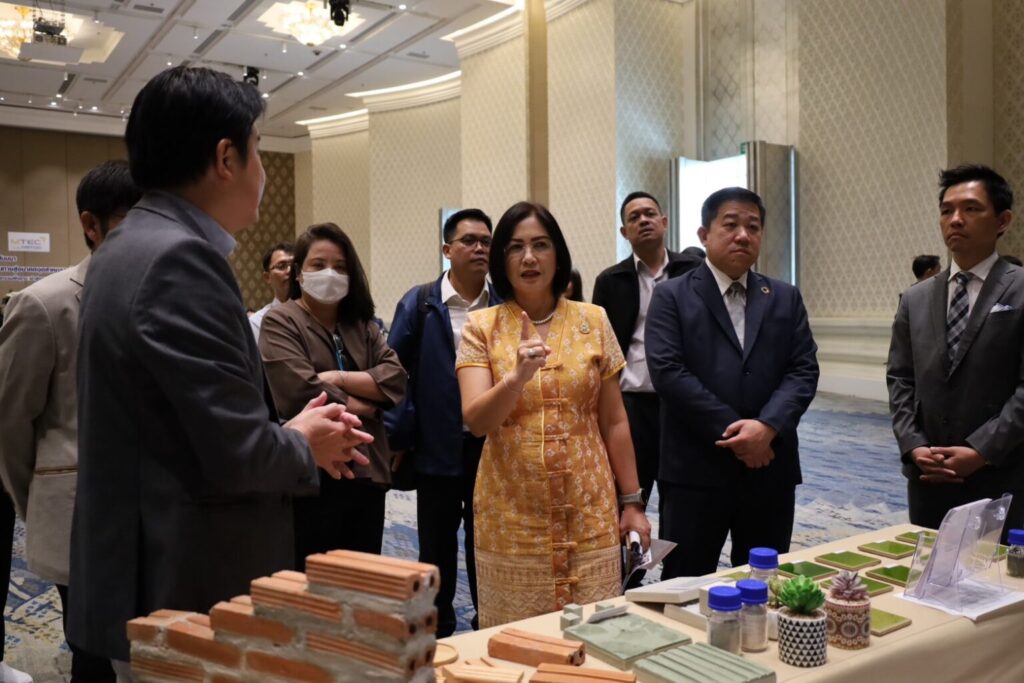
Ms. Araya Salaipetch, Deputy Director-General of the Department of Primary Industries and Mines (DPIM), presided over the opening ceremony, emphasizing the urgent necessity for Thai industries to adapt to the emerging “green barriers”—trade measures designed to safeguard the environment and curb the impacts of climate change. She also underscored DPIM’s role as a key agency driving the circular economy, particularly through the promotion of recycling critical metals, specifically lithium, with the dual goal of reducing greenhouse gas emissions and strengthening the nation’s raw material security.
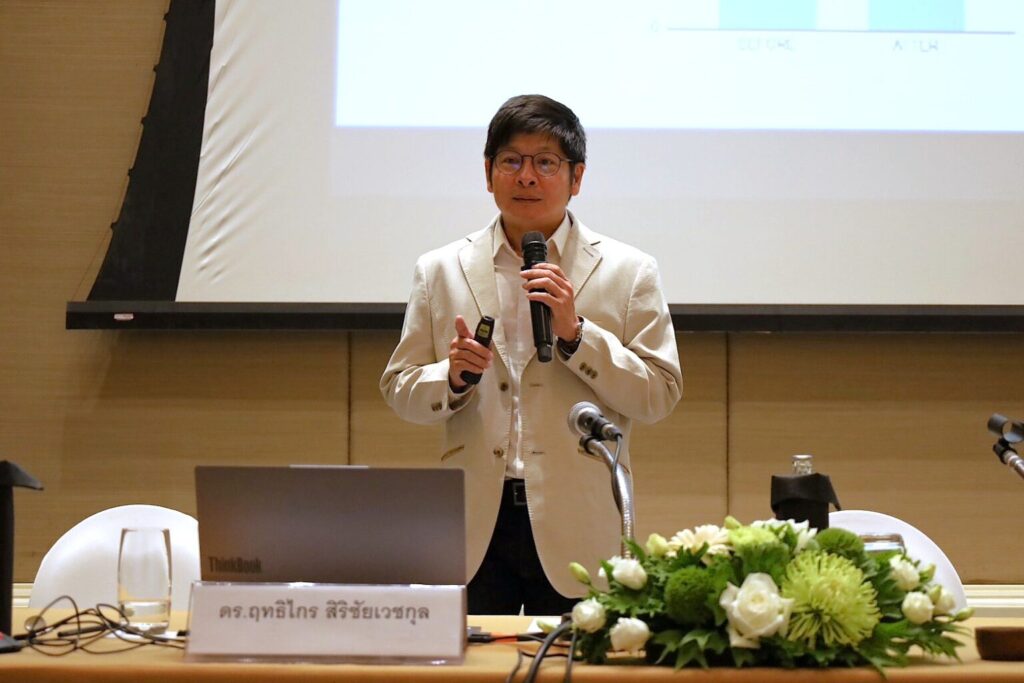
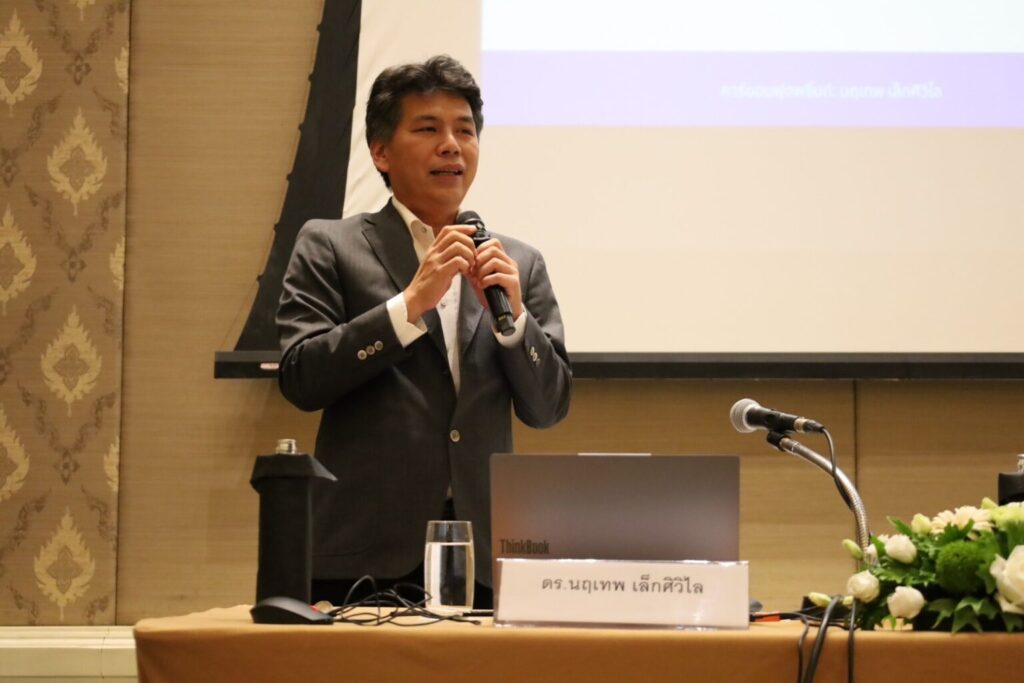
Pertaining to the project outcomes, Dr. Rittikrai Sirichaivetkul, Researcher at MTEC–NSTDA and Project Manager, presented case studies on process improvements implemented in three pilot factories: Almet Thai Co., Ltd., Sankyo Tateyama Alloy (Thailand) Co., Ltd., and Sangrompo Autoparts Co., Ltd. All three factories successfully achieved their greenhouse gas reduction targets. Specifically, switching from LPG-fired furnaces to electric resistance coil furnaces resulted in a 29% reduction in CO₂ emissions and a 30.1% decrease in the product’s carbon footprint, along with energy efficiency improvements of up to 79% in specific production steps. Dr. Narutep Leksiwilai, a specialist in carbon footprint assessment, also explained methods for collecting carbon footprint data across all scopes (Scope 1, 2, and 3) in accordance with standards for aluminum product groups.
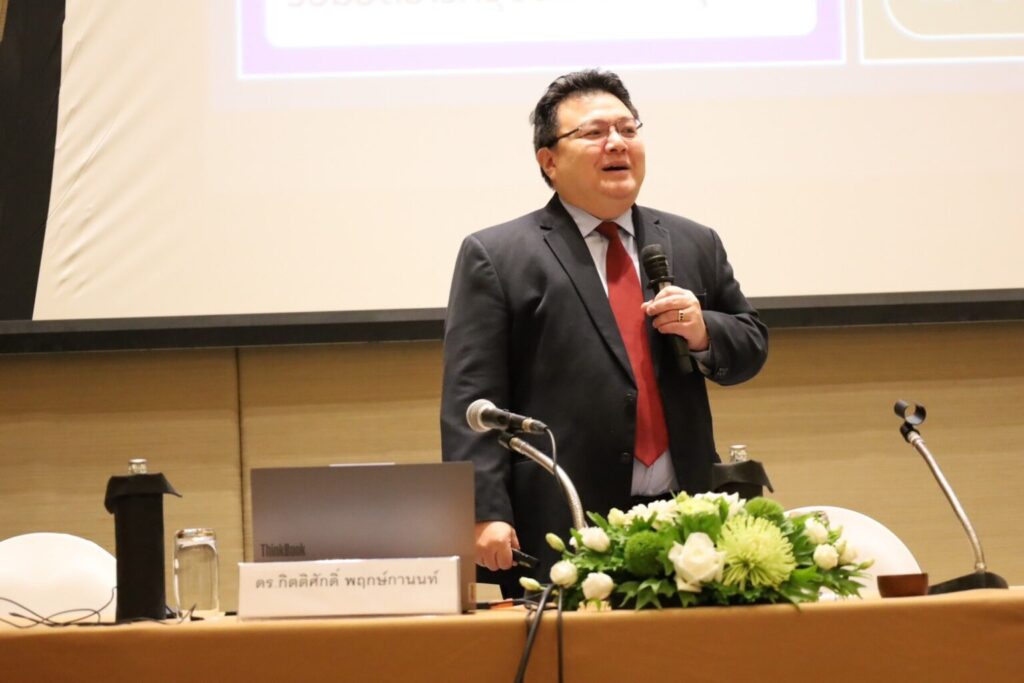
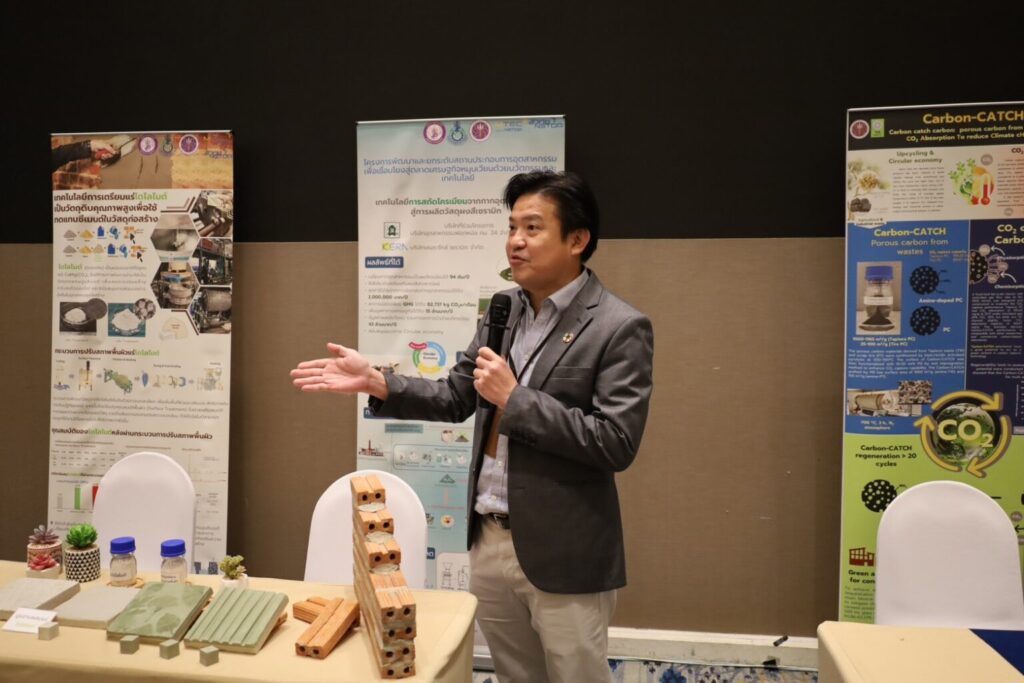
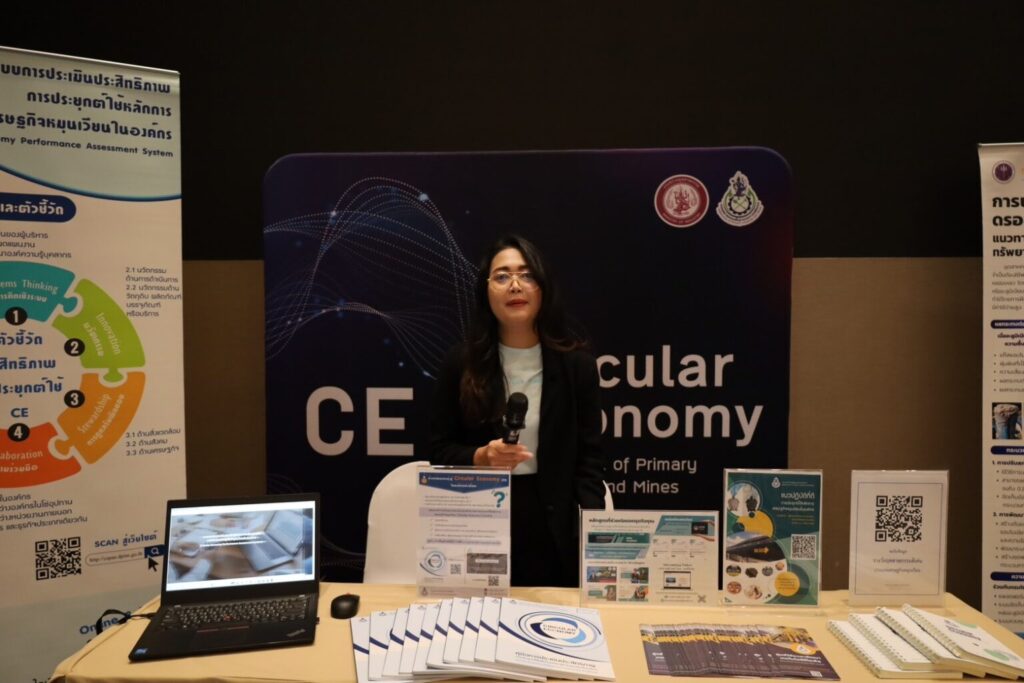
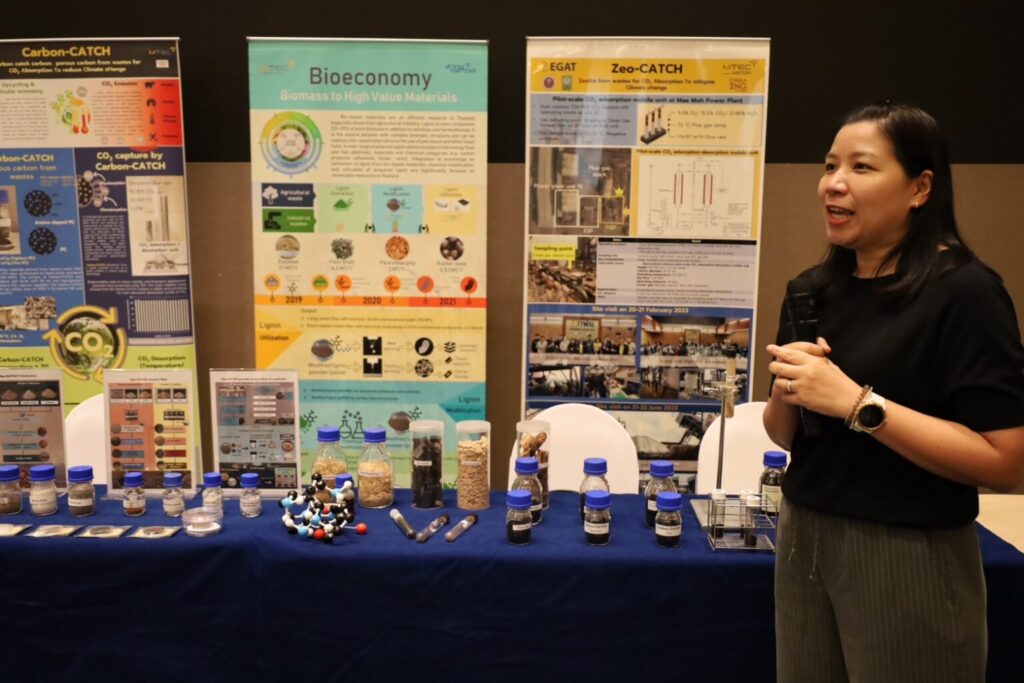
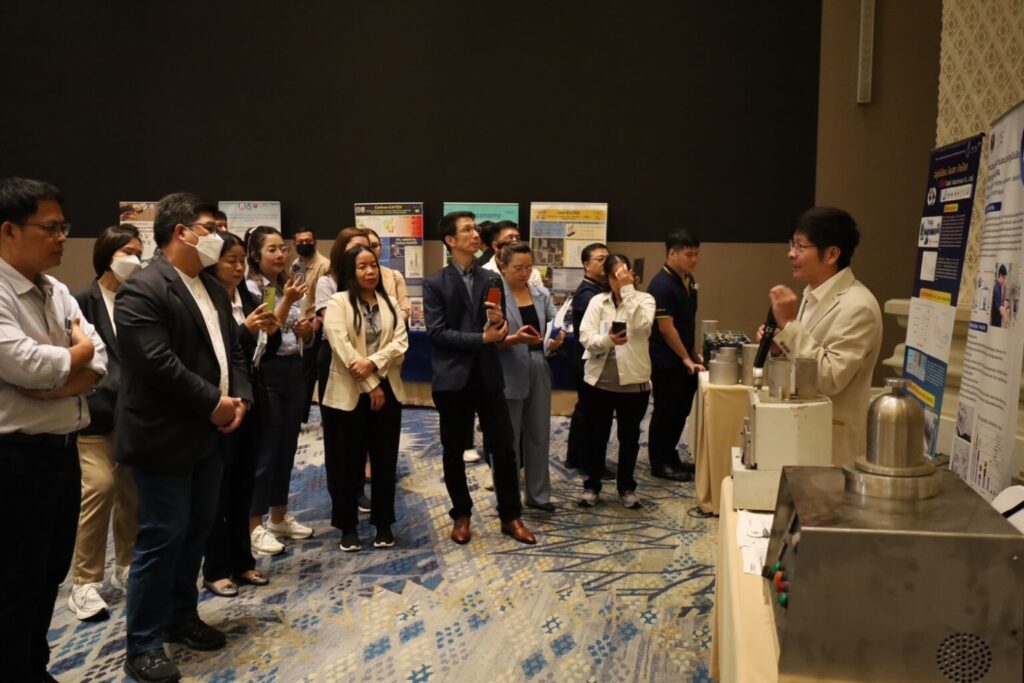
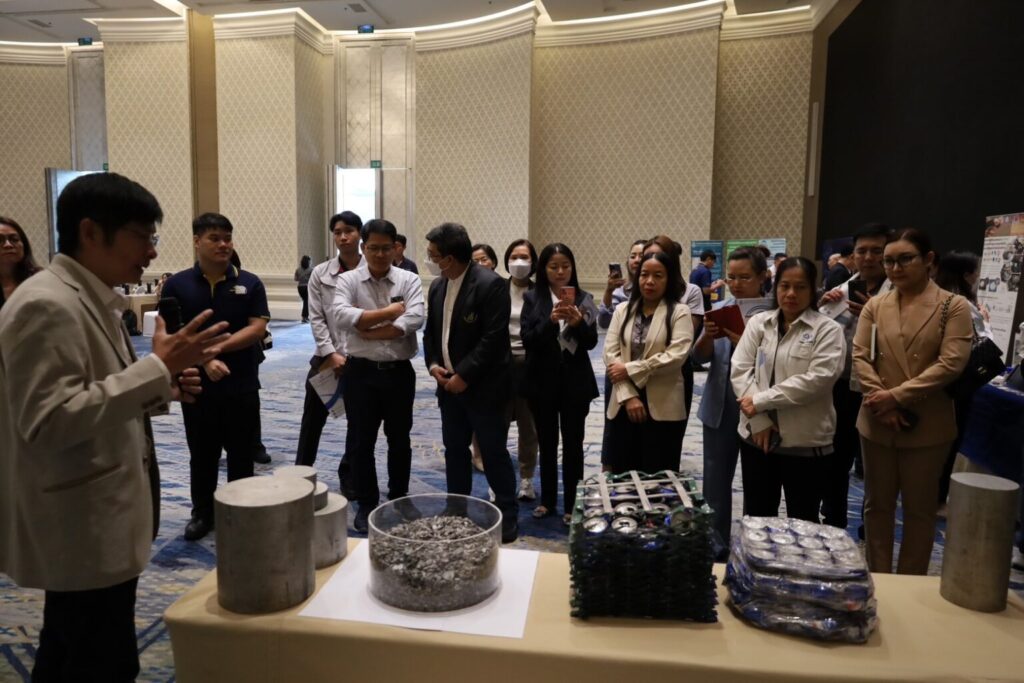
The event also featured a special lecture delivered by Dr. Kittisak Prukkanone, Director of the Bureau of Strategy and International Cooperation at the Department of Climate Change and Environment, Ministry of Natural Resources and Environment. He outlined Thailand’s policy direction toward achieving carbon neutrality by 2050, alongside key measures such as carbon pricing and the CBAM mechanism. In addition, the event showcased technologies from MTEC and DPIM, specifically the Circular Economy Principles Application System (CEPAS) and aluminum waste-recycling technologies, reinforcing Thailand’s commitment to advancing its industrial sector toward a sustainable future.