MTEC, NSTDA Welcomes Japanese Experts to Strengthen Collaboration in Prosthetics and Assistive Technology
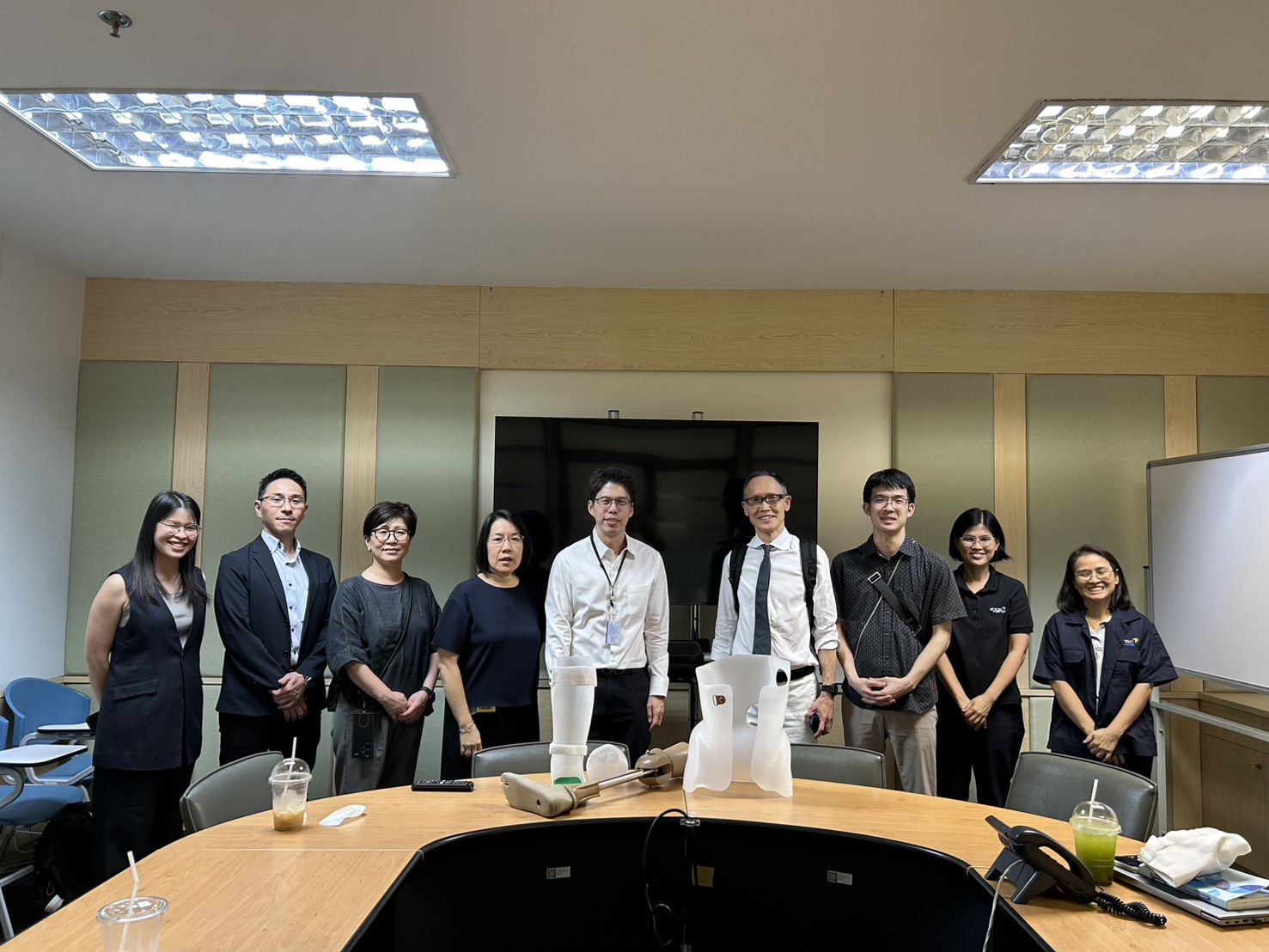
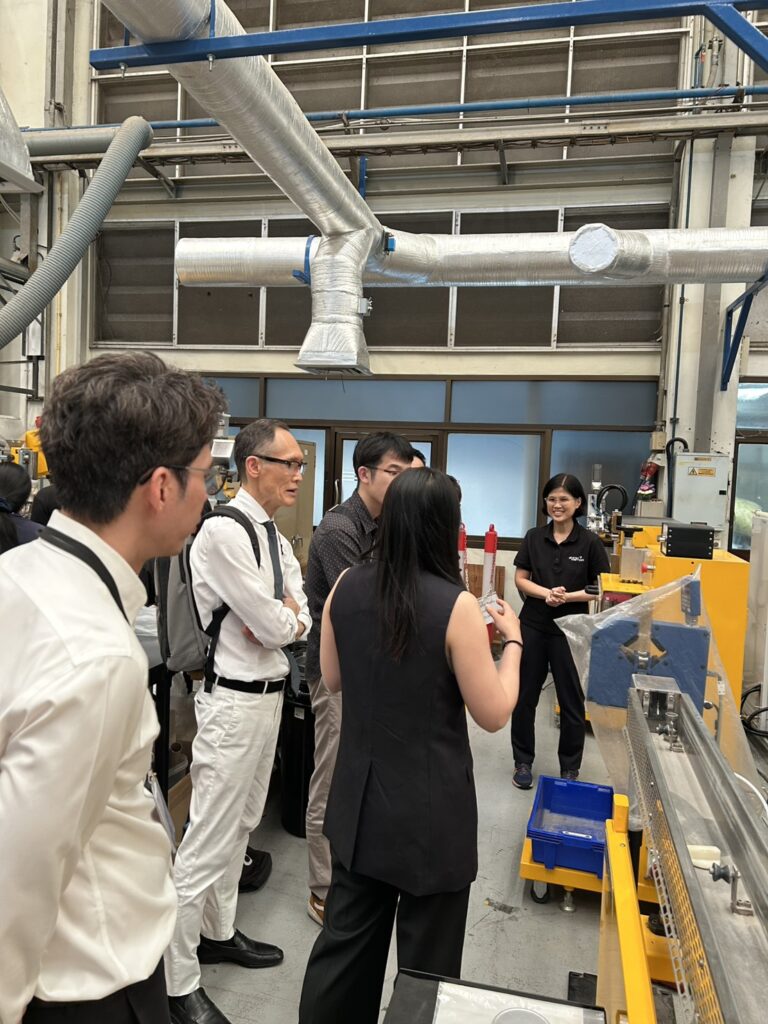
On 26 March 2026, the National Metal and Materials Technology Center (MTEC), National Science and Technology Development Agency (NSTDA), welcomed a delegation of Japanese experts in Prosthetics, Orthotics, and Assistive Technology for a study visit and collaborative discussion.
The delegation comprised Prof. Kazuhiro Sakai (University of Human Arts and Sciences), Ms. Kyoko Kamada (Kobe College of Medical Welfare), Mr. Hironori Suda (Niigata University of Health and Welfare), and Mr. Koji Nakamura (National Rehabilitation Center for Persons with Disabilities). The visit was coordinated by Ms. Bongkoch Praewpipat, a Ph.D. exchange student from MTEC’s Innovative Orthotic Design and Manufacturing Research Team.
The MTEC research team was led by Dr. Pasu Sirisalee, Director of the Biofunctional Materials and Devices Research Group, along with researchers from the Innovative Orthotic Design and Manufacturing Research Team and representatives from the Strategic Alliance and Partnership Development Section.
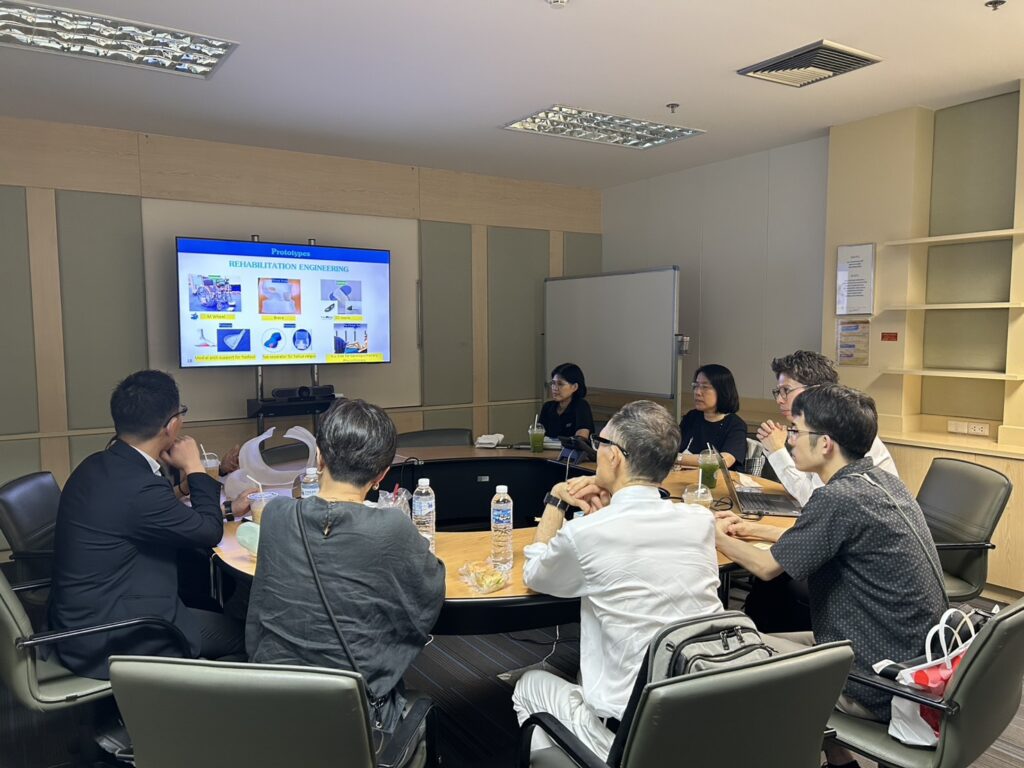
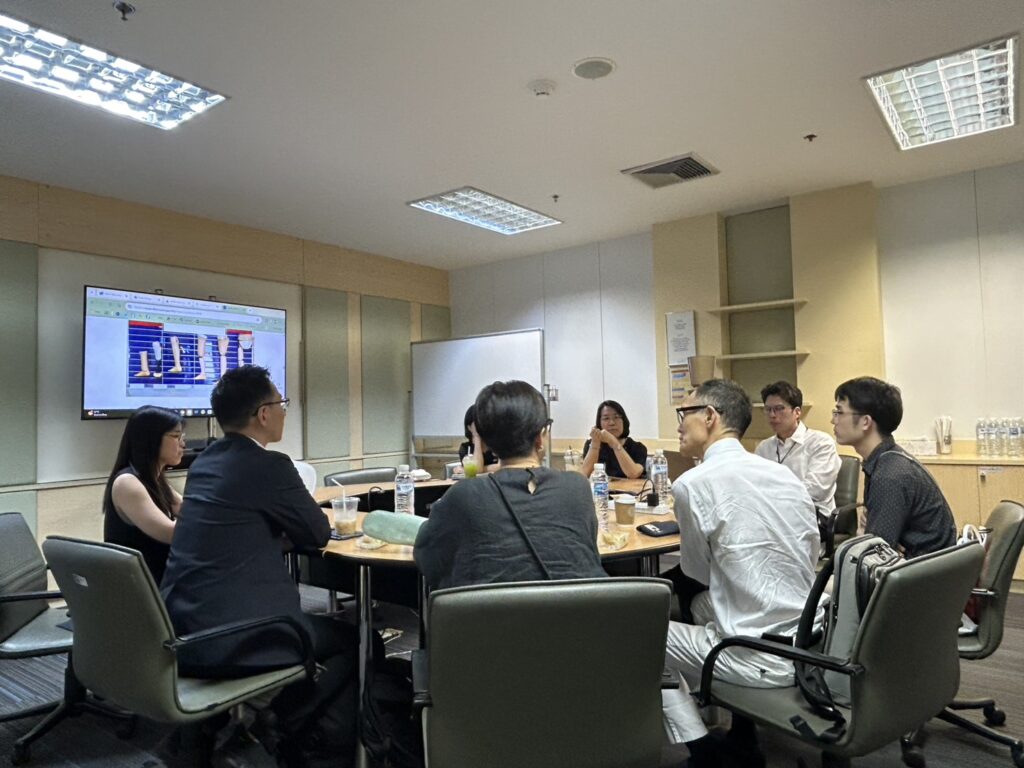
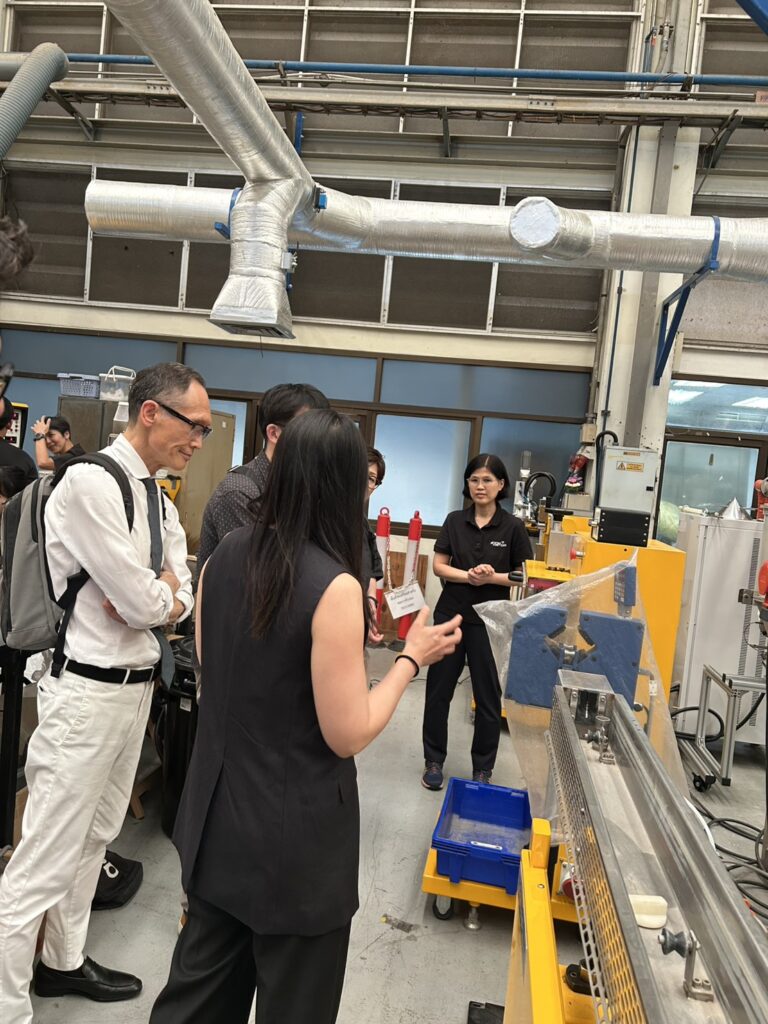
During the visit, the delegation toured MTEC’s laboratories and engaged in discussions on research and technology development. Key topics included global trends in medical technology, particularly the growing role of AI-driven medical devices, and the opportunities for Thailand to further develop innovation in response to its aging society.
The discussions also highlighted the increasing demand for prosthetic and assistive devices in Thailand and neighboring countries, where access to high-quality and affordable solutions remains limited. Key challenges include variations in limb anatomy, the need for well-fitted designs, durable materials, and limited accessibility to replacement devices in certain regions.
Both sides explored potential future collaborations, including the establishment of a Memorandum of Understanding (MOU), joint research activities, laboratory testing, capacity building, and knowledge exchange. This visit marks an important step toward strengthening international partnerships and advancing assistive technologies to better serve the needs of the region in a sustainable manner.