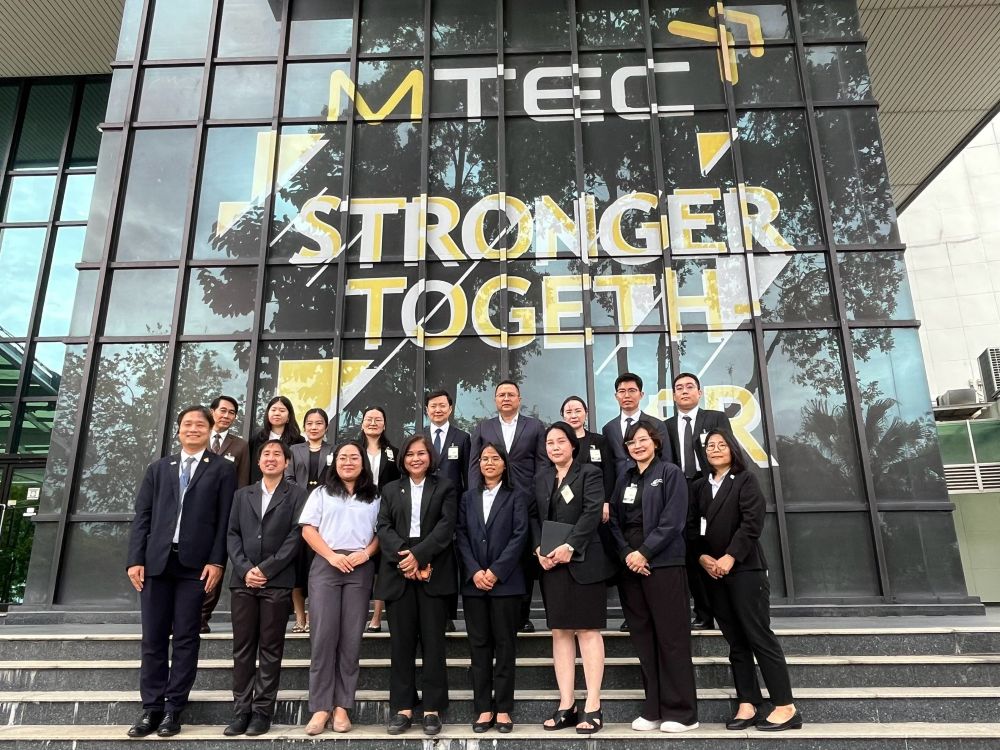
MTEC, NSTDA Welcomes Delegates from the Ministry of Foreign Affairs of the People’s Republic of China on the Implementation of Projects under the Lancang-Mekong Cooperation (LMC) Special Fund
On 19 August 2026, at the National Metal and Materials Technology Center (MTEC), National Science and Technology Development Agency (NSTDA)
Dr. Ekkarut Viyanit, MTEC Deputy Executive Director, together with MTEC researchers and representatives from Strategic Alliance and Partnership Development Section, Research and Innovation Strategy Division, welcomed the delegation from the Ministry of Foreign Affairs of the People’s Republic of China led by Mr. Wang Dexin, Counselor, Department of Asian Affairs. The delegation also included representatives from the Chinese Embassy Bangkok, Thai agencies under the Ministry of Higher Education, Science, Research and Innovation (MHESI) receiving support from the MLC Special Fund, and the Division of Foreign Affairs, Office of the Permanent Secretary, MHESI.
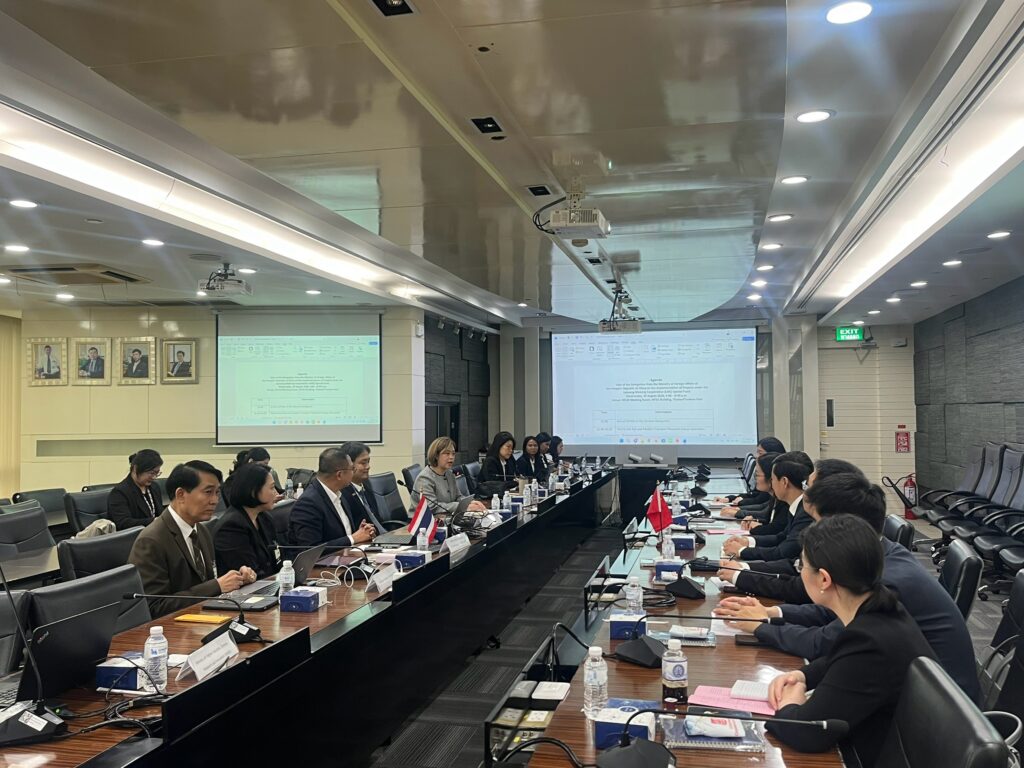
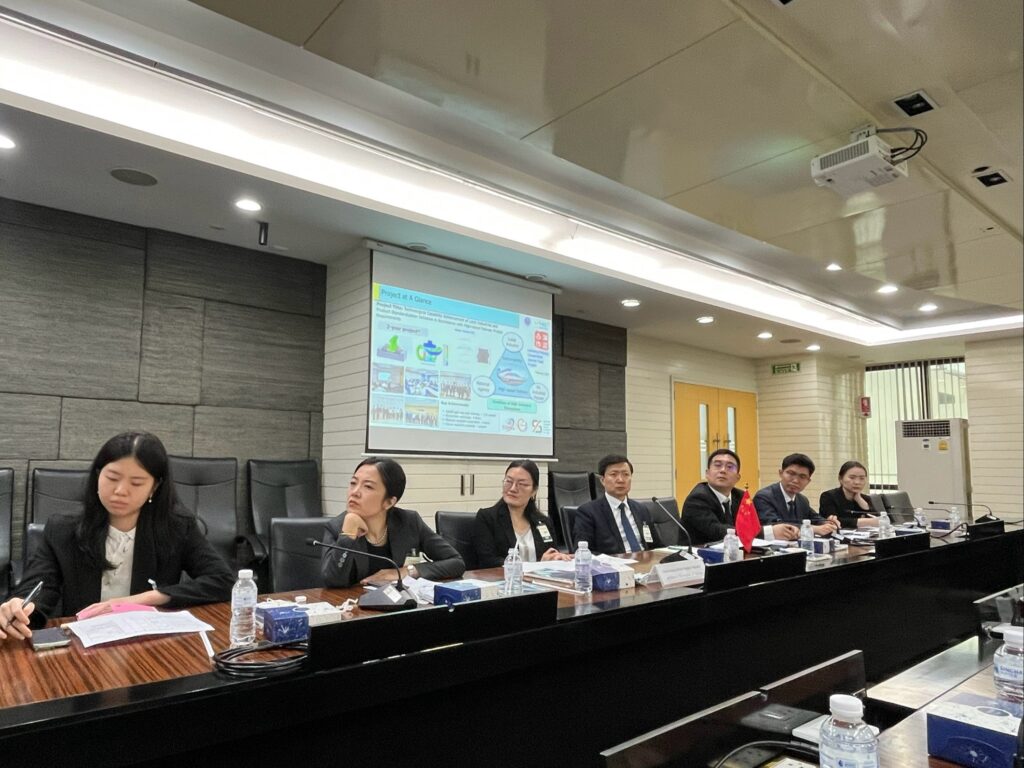
The visit aims to inspect and discussion on the LMC funded project, entitle “Technological capability enhancement of local industries and product standardization initiative in accordance with high-speed railway project requirements”, which is include MTEC’s facilities visit, present the overview and achievements, and discussion on the challenges encountered in carrying out LMC projects.
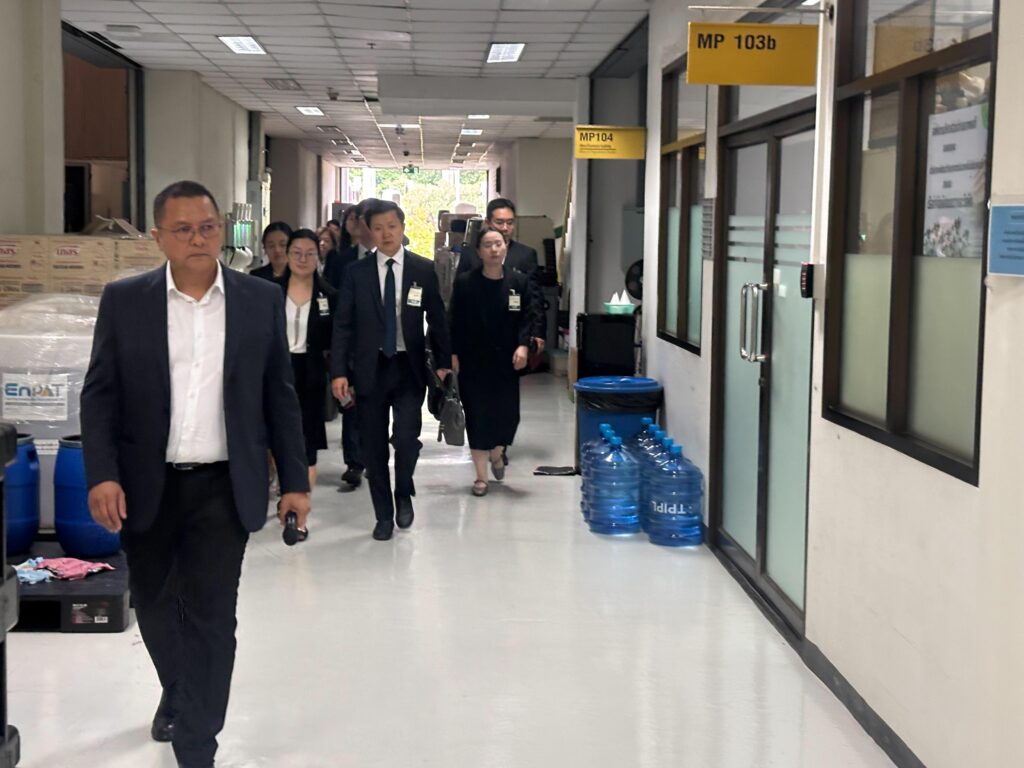
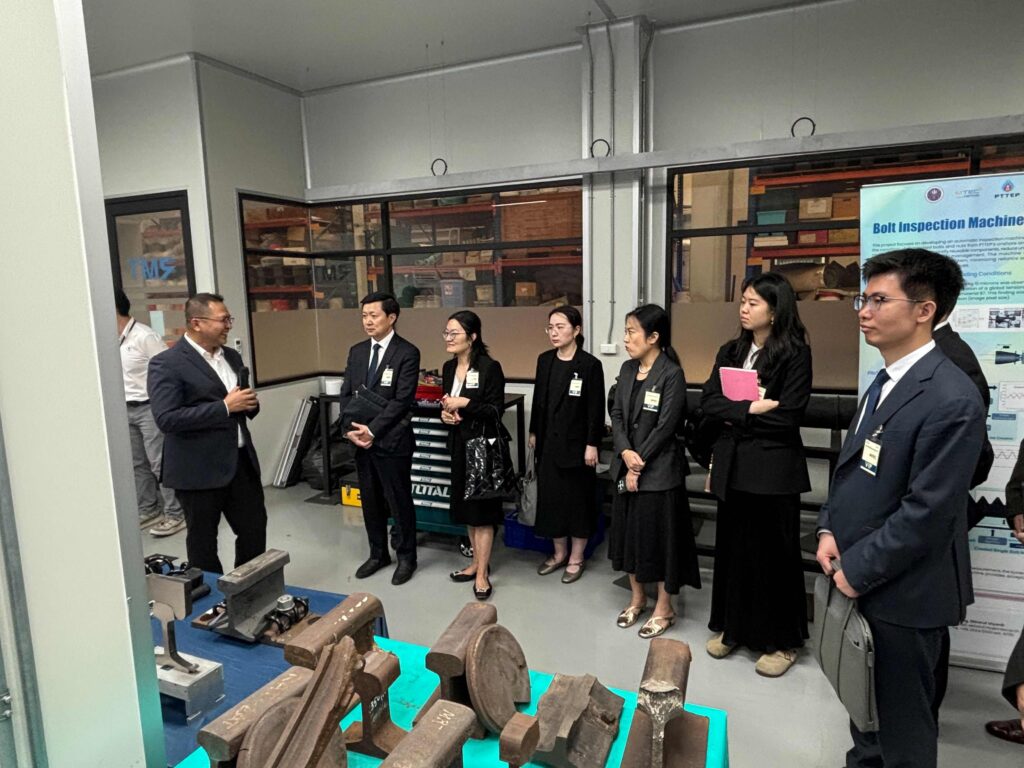
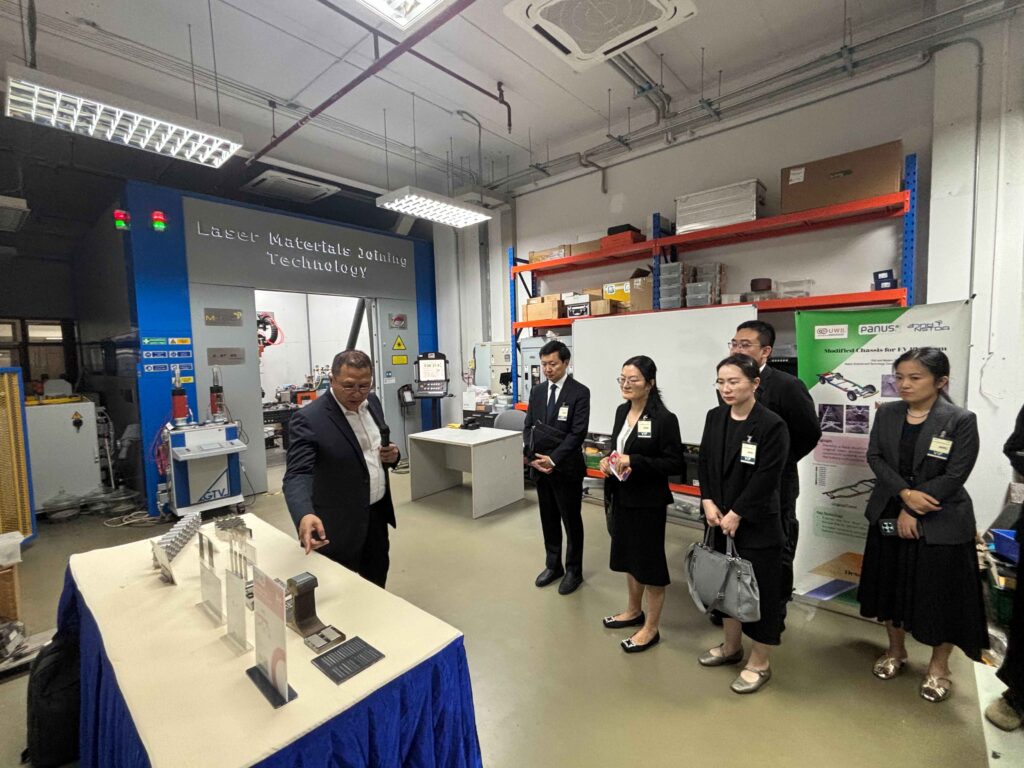
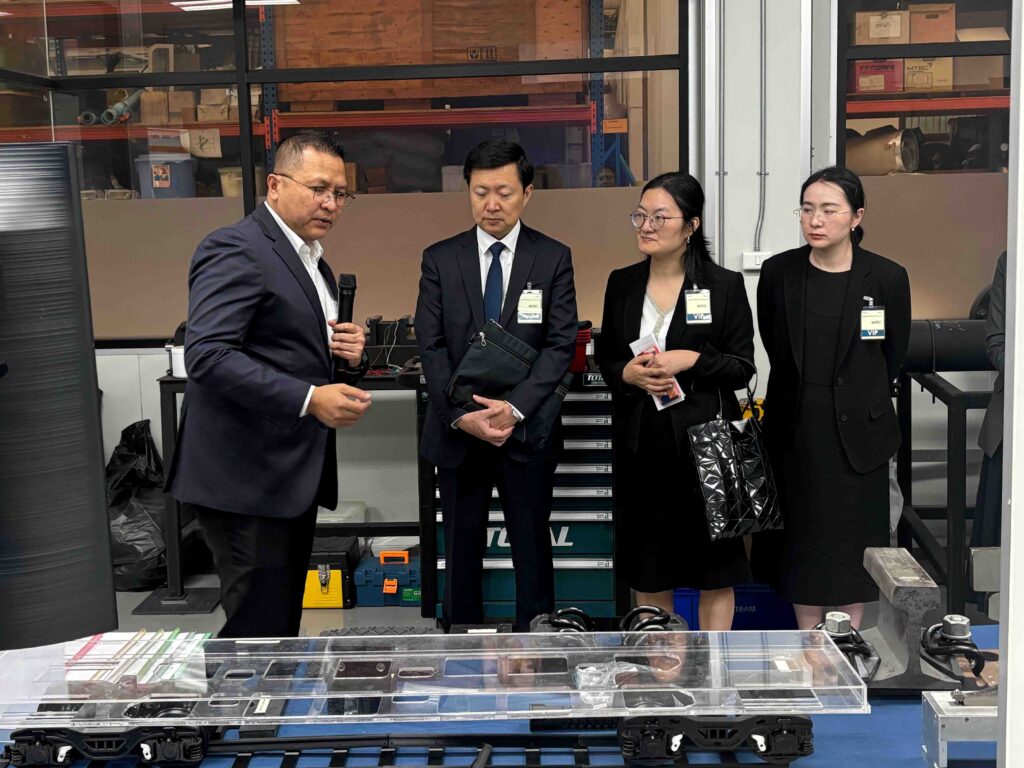
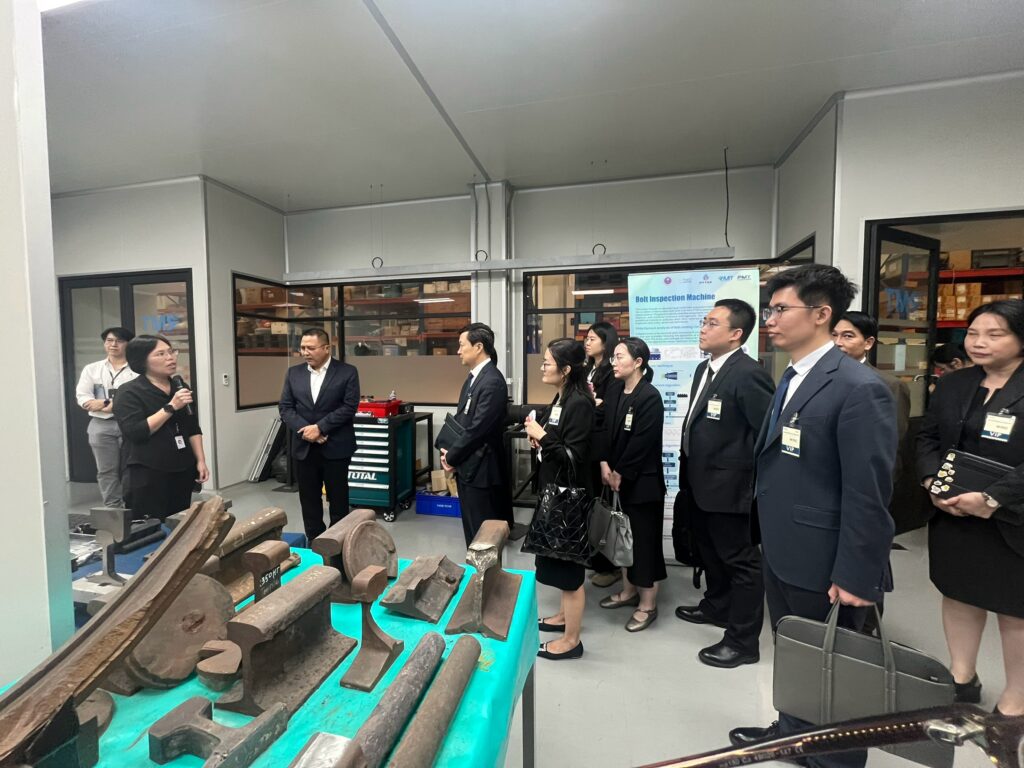
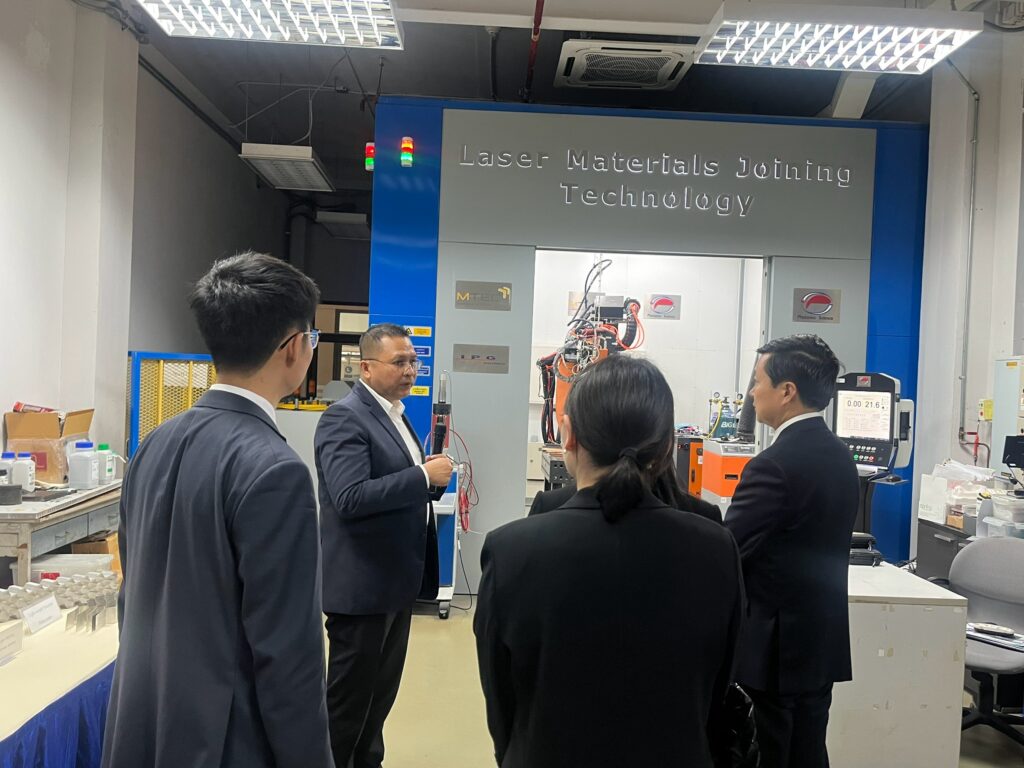
During the visit, Dr. Ekkarat, as the project leader guided the delegation through MTEC’s railway-related research laboratories at the MTEC Pilot Plant. At the Railway and Modern Transportation Technology Research Group, the team presented key components of the fastener system developed and studied under the project, including the rubber rail pad and rail clip, which are important components supporting the development of draft technical standards. The delegation also visited MTEC’s Laser Joining Technology Laboratory to learn more about relevant advanced manufacturing technologies.
Following the laboratory visits, Dr. Ekkarut presented an overview of the project’s achievements, challenges, and lessons learned, as well as updates on activities that have continued beyond the project period. These include the development of two draft technical standards, ongoing collaboration with research and industrial partners in Thailand and China, and potential areas of research cooperation requiring further support from Chinese counterparts.
The discussion also covered key challenges and opportunities across the Thailand–China railway industry value chain. Topics included pathways for translating research outputs into the local production of railway spare parts and components, as well as the potential application of technical standards developed through the project within railway systems across Mekong–Lancang Cooperation member countries align with “Belt and Road Initiative (BRI)”.