A Dynamical Systems Approach to Modelling Food Loss of Fresh Fruit Bunches in Oil Palm Cultivation for Enhanced Sustainability

The purpose of this study was to investigate the best ratio of waste foundry sand (WFS), fly ash (FA), and electric arc furnace slag (EAF slag) for the production of geopolymer bricks. In this research study, WFS, FA, and EAF slag were mixed at the ratio of 70:30:0, 60:30:10, 50:30:20, and 40:30:30 with 8M sodium hydroxide (NaOH) and 98% purity sodium silicate (Na2SiO3) with a ratio of Na2SiO3/8M NaOH = 2.5. The mixtures were compacted in 5 cm × 5 cm x 5 cm molds and cured at an ambient temperature for 28 days. Then, their compressive strength was analyzed. The results showed that the geopolymer bricks with the highest compressive strength were those mixed at the 40:30:30 ratio, with a compressive strength of 25.76 MPa.


Analysis of Packaging Waste Generation Patterns and Waste Flows in Tourist Accommodations of North-eastern Thailand

The purpose of this study was to investigate the best ratio of waste foundry sand (WFS), fly ash (FA), and electric arc furnace slag (EAF slag) for the production of geopolymer bricks. In this research study, WFS, FA, and EAF slag were mixed at the ratio of 70:30:0, 60:30:10, 50:30:20, and 40:30:30 with 8M sodium hydroxide (NaOH) and 98% purity sodium silicate (Na2SiO3) with a ratio of Na2SiO3/8M NaOH = 2.5. The mixtures were compacted in 5 cm × 5 cm x 5 cm molds and cured at an ambient temperature for 28 days. Then, their compressive strength was analyzed. The results showed that the geopolymer bricks with the highest compressive strength were those mixed at the 40:30:30 ratio, with a compressive strength of 25.76 MPa.

Material circularity indicator for accelerating low-carbon circular economy in Thailand’s building and construction sector

The purpose of this study was to investigate the best ratio of waste foundry sand (WFS), fly ash (FA), and electric arc furnace slag (EAF slag) for the production of geopolymer bricks. In this research study, WFS, FA, and EAF slag were mixed at the ratio of 70:30:0, 60:30:10, 50:30:20, and 40:30:30 with 8M sodium hydroxide (NaOH) and 98% purity sodium silicate (Na2SiO3) with a ratio of Na2SiO3/8M NaOH = 2.5. The mixtures were compacted in 5 cm × 5 cm x 5 cm molds and cured at an ambient temperature for 28 days. Then, their compressive strength was analyzed. The results showed that the geopolymer bricks with the highest compressive strength were those mixed at the 40:30:30 ratio, with a compressive strength of 25.76 MPa.

Optimal Crop Pattern for the Maximum Net Income Using Linear Optimization in Mae Chaem District, Chiang Mai Province

The purpose of this study was to investigate the best ratio of waste foundry sand (WFS), fly ash (FA), and electric arc furnace slag (EAF slag) for the production of geopolymer bricks. In this research study, WFS, FA, and EAF slag were mixed at the ratio of 70:30:0, 60:30:10, 50:30:20, and 40:30:30 with 8M sodium hydroxide (NaOH) and 98% purity sodium silicate (Na2SiO3) with a ratio of Na2SiO3/8M NaOH = 2.5. The mixtures were compacted in 5 cm × 5 cm x 5 cm molds and cured at an ambient temperature for 28 days. Then, their compressive strength was analyzed. The results showed that the geopolymer bricks with the highest compressive strength were those mixed at the 40:30:30 ratio, with a compressive strength of 25.76 MPa.
Crop Water Requirement Estimation of Maize Using Remote Sensing in Mae Chaem District in Chiang Mai Province

The purpose of this study was to investigate the best ratio of waste foundry sand (WFS), fly ash (FA), and electric arc furnace slag (EAF slag) for the production of geopolymer bricks. In this research study, WFS, FA, and EAF slag were mixed at the ratio of 70:30:0, 60:30:10, 50:30:20, and 40:30:30 with 8M sodium hydroxide (NaOH) and 98% purity sodium silicate (Na2SiO3) with a ratio of Na2SiO3/8M NaOH = 2.5. The mixtures were compacted in 5 cm × 5 cm x 5 cm molds and cured at an ambient temperature for 28 days. Then, their compressive strength was analyzed. The results showed that the geopolymer bricks with the highest compressive strength were those mixed at the 40:30:30 ratio, with a compressive strength of 25.76 MPa.
การประชุมเปิดโครงการวิจัยและการให้ความรู้เบื้องต้นเกี่ยวกับการประเมินค่าคาร์บอนตลอดวัฏจักรชีวิตของอาคาร

การดำเนินงาน ภายใต้โครงการ “การบูรณาการ การประเมินคาร์บอนตลอดวัฏจักรชีวิตอาคาร และหลักการเศรษฐกิจหมุนเวียนเพื่อพัฒนากลไกการลดการปล่อยก๊าซเรือนกระจกของผู้พัฒนาโครงการด้านการก่อสร้างและอสังหาริมท” ซึ่งมีวัตถุประสงค์เพื่อศึกษาคาร์บอนตลอดวัฏจักรชีวิตของอาคารที่อยู่อาศัยแนวราบและแนวสูง ประเมินและคาดการณ์ปริมาณขยะก่อสร้างและรื้อถอน พร้อมแนวทางจัดการและศักยภาพการรีไซเคิล

ทส. ผนึกเครือข่าย Kick Off “ลดเหลือ ลดทิ้ง” ปักธงปี 69 ยกระดับจัดการขยะอาหาร มุ่งเป้า SDG 12.3

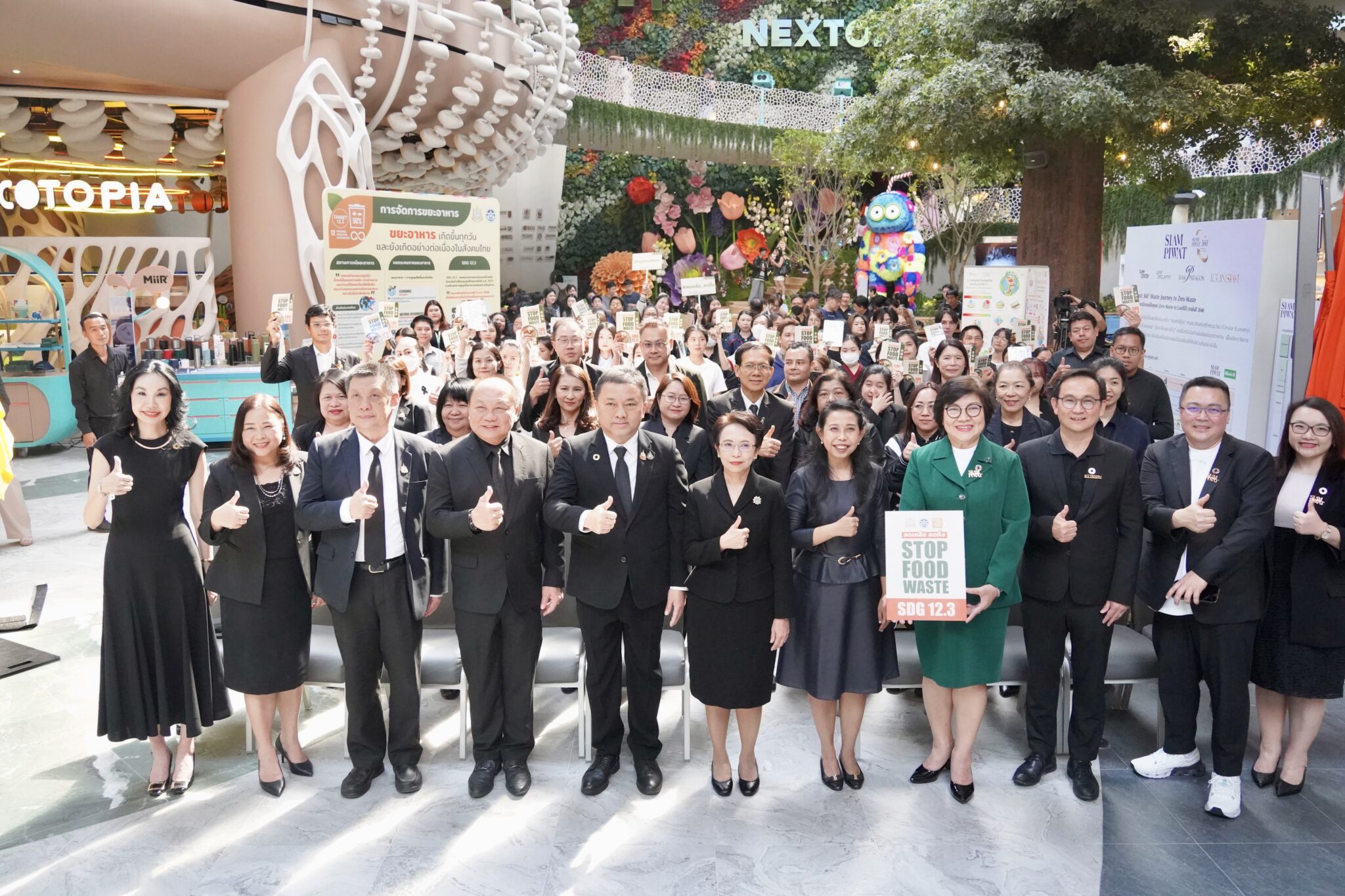
กระทรวงทรัพยากรธรรมชาติและสิ่งแวดล้อม (ทส.) จับมือภาคีเครือข่าย 15 หน่วยงาน เปิดตัวโครงการ “ลดเหลือ ลดทิ้ง : Stop Food Waste SDG 12.3” ณ สยามพารากอน ประกาศโรดแมปปี 2568 เป็นปีแห่งการขับเคลื่อนการลดขยะอาหารอย่างเป็นรูปธรรม ชูโมเดลความร่วมมือรัฐ-เอกชน เปลี่ยนพฤติกรรมผู้บริโภคจากต้นทาง

(เมื่อวันที่ 6 มกราคม 2569) นางสาวปรีญาพร สุขเกษม รองปลัดกระทรวงทรัพยากรธรรมชาติและสิ่งแวดล้อม (ทส.) ในฐานะประธานในพิธี เปิดเผยว่า ปัญหาขยะอาหาร (Food Waste) ถือเป็นโจทย์เชิงโครงสร้างที่สำคัญของประเทศไทย ซึ่งส่งผลกระทบโดยตรงต่อสิ่งแวดล้อมและการเปลี่ยนแปลงสภาพภูมิอากาศ โดยในปี 2569 นี้ ทส. ได้ประกาศให้เป็นปีแห่งการเริ่มต้นขับเคลื่อนการลดขยะอาหารอย่างจริงจังในระยะที่ 2

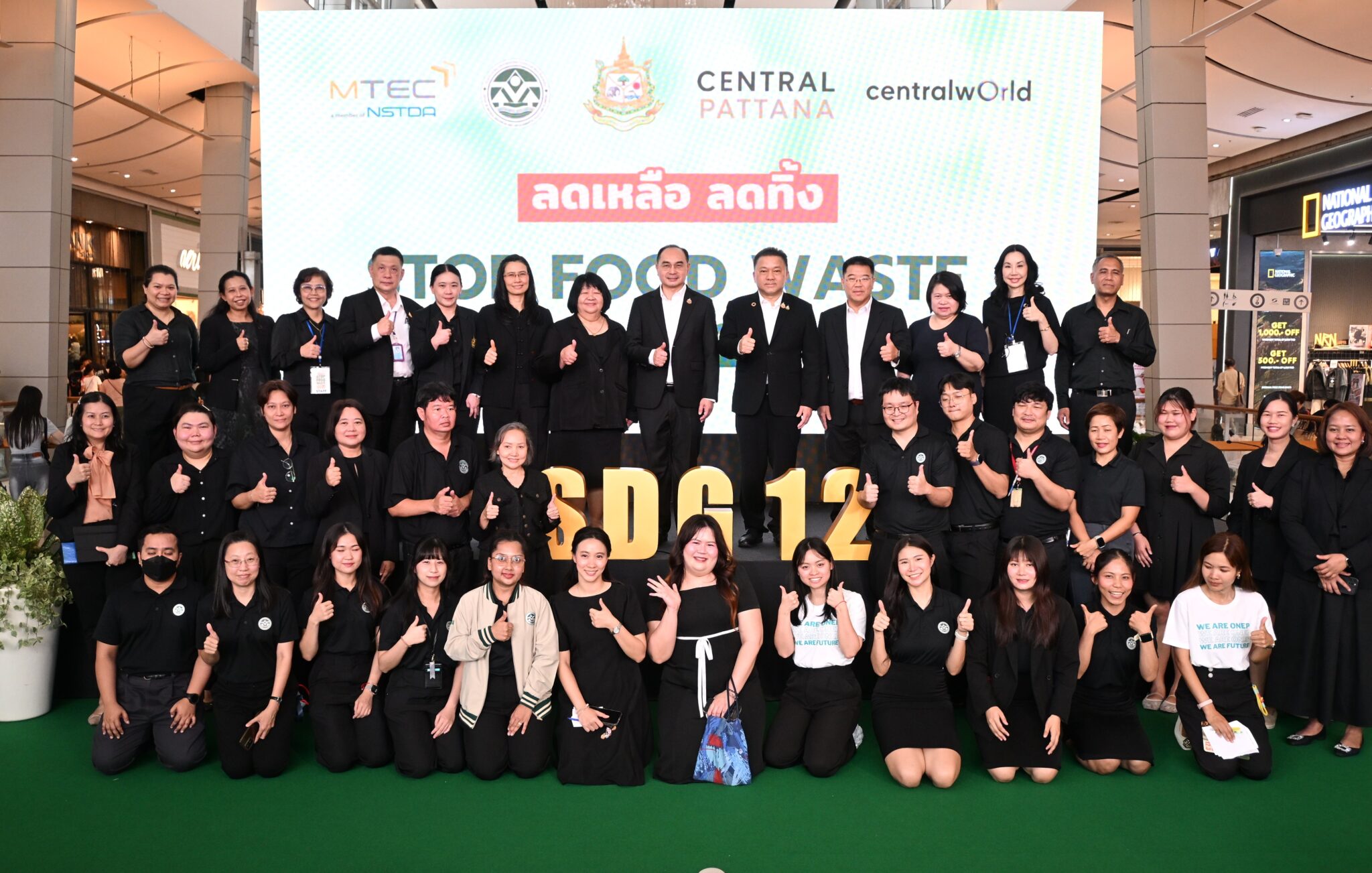
กระทรวงทรัพยากรธรรมชาติและสิ่งแวดล้อมร่วมกับศูนย์เทคโนโลยีโลหะและวัสดุแห่งชาติ สวทช. ผนึกกำลังภาครัฐ–เอกชน-ประชาชน ขับเคลื่อนต่อเนื่อง “ลดเหลือ ลดทิ้ง : Stop Food Waste SDG 12.3” บริษัทเซ็นทรัลพัฒนานำทัพร้านอาหารเซ็นทรัลเวิลด์กว่า 300 ร้านร่วมลดขยะอาหาร

กระทรวงทรัพยากรธรรมชาติและสิ่งแวดล้อม ชี้ลดขยะอาหารคือโจทย์เชิงโครงสร้าง ย้ำความร่วมมือรัฐ–เอกชน–ประชาชน ประกาศเดินหน้าผนึกกำลังทุกภาคส่วนขับเคลื่อนการลดขยะอาหารอย่างเป็นรูปธรรม ผ่านโครงการ “ลดเหลือ ลดทิ้ง : Stop Food Waste SDG 12.3” ภายใต้นโยบายประกาศให้ปี พ.ศ. 2568 เป็นปีแห่งการเริ่มต้นขับเคลื่อนการลดขยะอาหารของประเทศไทย โดยมุ่งเน้นการเปลี่ยนพฤติกรรมทั้งผู้ผลิต ผู้ประกอบการและผู้บริโภค เพื่อให้การลดขยะอาหารไม่ใช่เพียงโครงการระยะสั้น แต่เป็นวัฒนธรรมใหม่ของสังคมไทย